Social media has moved well beyond branding.
It now influences trust, purchasing decisions, and long-term customer relationships.
With more than 5.2 billion global users, platforms such as Instagram, TikTok, LinkedIn, and Facebook are no longer optional marketing channels.
They are core business infrastructure. Yet managing them effectively has become increasingly complex.
Algorithms change without notice. Trends shift overnight. Audience expectations continue to rise. And the demand for speed, relevance, and consistency has never been higher.
For many organizations, this reality has triggered a strategic shift.
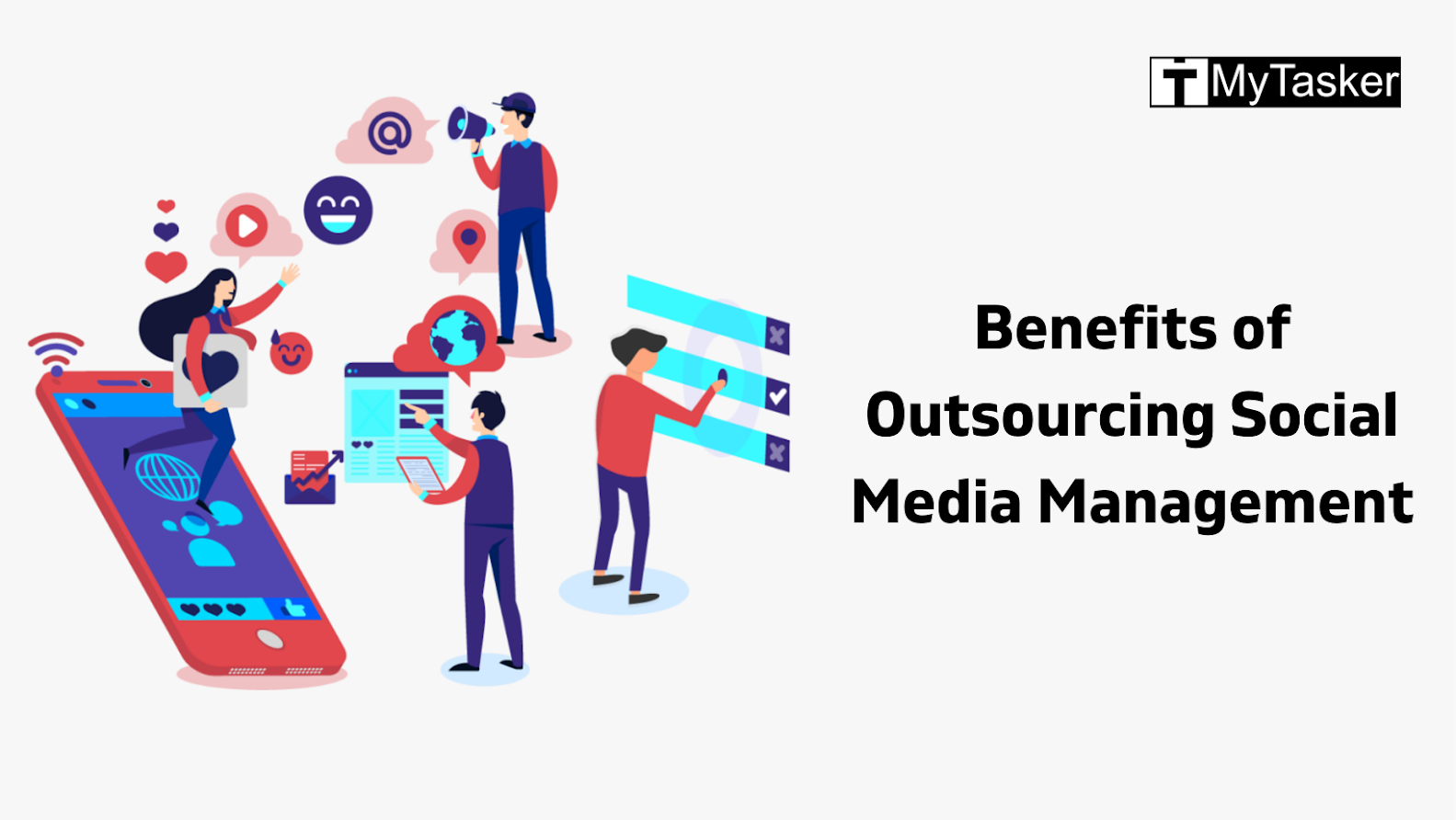
Outsourcing social media management—once seen as a tactical choice—is now a board-level decision.
Recent industry data shows that more than 70% of companies outsource at least part of their digital marketing operations.
The motivation is clear: better outcomes, tighter cost control, and the ability to focus internal teams on higher-value work.
Below is a clear, practical examination of why this approach is gaining momentum.
Core Strategic Advantages
Access to Specialized Expertise
Social platforms evolve continuously. What performs well today may underperform tomorrow.
Professional social media teams operate inside this environment full-time.
They monitor platform updates, test new features, analyze performance data, and adjust strategies in real time.
Equally important, they bring perspective. Agencies and specialist teams work across multiple industries, audiences, and formats.
That exposure allows them to identify patterns, avoid stagnation, and introduce proven ideas that internal teams may not see.
The result is content that remains relevant, competitive, and aligned with business objectives.
Meaningful Cost Efficiency
Building an in-house social media function carries significant fixed costs.
A full-time hire often exceeds $60,000 annually in salary alone, before accounting for benefits, training, tools, and turnover risk. In practice, total costs can reach $80,000–$100,000 per role.
Outsourcing converts those fixed expenses into predictable, scalable operating costs. For a fraction of the price, companies gain access to strategists, content creators, designers, analysts, and community managers—without long-term employment obligations.
For many organizations, savings range from 30% to 60%, with measurable performance improvements.
Immediate Access to Advanced Tools
Leading agencies invest heavily in technology. Scheduling platforms, analytics dashboards, social listening tools, and AI-driven insights are standard across mature providers.
Individually, these tools can cost hundreds of dollars per month.
Collectively, they offer visibility and precision that most small and mid-sized teams cannot justify on their own.
Outsourcing makes this capability available without incremental software spend.
Operational Flexibility
Marketing demands fluctuate. Product launches, seasonal campaigns, and market shifts require rapid adjustment.
Outsourced models allow companies to scale activity up or down as needed.
New platforms can be added without restructuring. Activity can be reduced during quieter periods without layoffs or sunk costs. This flexibility supports both financial discipline and strategic responsiveness.
Risk Mitigation and Brand Protection
Social media is public, immediate, and unforgiving. A poorly handled comment or delayed response can escalate quickly.
Experienced teams monitor activity continuously, manage community engagement professionally, and respond to issues before they escalate.
They also ensure compliance with advertising standards, platform policies, and data protection requirements—reducing legal and reputational risk.
.jpg)
Operational Impact on Business Performance
Focus on Core Priorities
Social media management demands time. Content creation, engagement, reporting, and optimization can consume 20–40 hours per week.
By outsourcing execution, internal teams can concentrate on product development, customer experience, sales strategy, and growth initiatives—areas where institutional knowledge matters most.
Consistency and Responsiveness
Consumers expect brands to be present and responsive. Research shows that most customers anticipate a reply within 24 hours.
Outsourced teams ensure continuity. Content is published on schedule.
Engagement does not pause during weekends or holidays. The brand remains visible, professional, and reliable.
Stronger Measurement and ROI
Outsourcing introduces discipline. Performance is tracked. Results are reported. Strategies are adjusted based on data, not assumptions.
Multiple industry surveys indicate that nearly 80% of businesses see improved ROI within six months of outsourcing social media management, driven by higher engagement, increased traffic, and more qualified leads.
Frequently Asked Questions
How much does outsourcing typically cost?
Most small and mid-sized businesses spend between $500 and $2,500 per month.
Comprehensive, multi-platform strategies may exceed $5,000, but remain significantly cheaper than full-time hires.
Will brand voice be compromised?
No. Effective providers begin with structured onboarding, approval workflows, and ongoing feedback to ensure brand alignment.
Is outsourcing suitable for startups?
Yes. In many cases, it is the most efficient way for smaller organizations to compete with larger players.
When should results be expected?
Operational improvements appear within weeks. Meaningful ROI typically emerges within three to six months.
How do companies choose the right partner?
Look for transparency, documented case studies, clear reporting, and strong communication. A short pilot engagement often provides the best insight.
Conclusion
Outsourcing social media management is no longer a shortcut or a stopgap. It is a strategic lever.
It allows organizations to operate with greater efficiency, access specialized talent, and remain competitive in a fast-moving digital landscape—without inflating internal costs or complexity.
For companies navigating growth, margin pressure, or market uncertainty, the question is increasingly straightforward: not whether outsourcing is viable, but whether maintaining everything in-house still makes economic and strategic sense.