Keyword stuffing didn’t die.
It just got rebranded by insecure marketers who forgot how the internet works.
Yeah, I said it.
We’ve been fed the same recycled advice for years: “Don’t repeat keywords, Google will hate you.”
Really? You mean the same Google that shows ten different articles with “best running shoes” in the title and URL?
Let me ask you this — if keyword stuffing is dead, then why are the top ranking pages still dripping with hyper relevance and keyword precision?
The Truth: We’re Just Scared
The SEO world is full of cowards.
Somewhere between Google’s Panda update and the AI revolution, we decided that sounding natural was more important than being found.
Everyone started talking about “semantic relevance,” “topic clusters,” and “latent blah blah indexing” — all valid concepts, sure — but they became an excuse to abandon clarity, precision and grit.
Aren’t FAQs long-tail, question-based keywords?
You think someone searching “best gaming laptop under 1000” wants to see a headline that says:
“Top Tech Picks for High-Performance Computing”?
Hell no.
They want: “Best Gaming Laptops Under $1000 (Tested in 2025)” — keyworded, to the point and exactly what they typed in.
.png)
Keyword Stuffing ≠ Keyword Stupidity
Let’s get this straight:
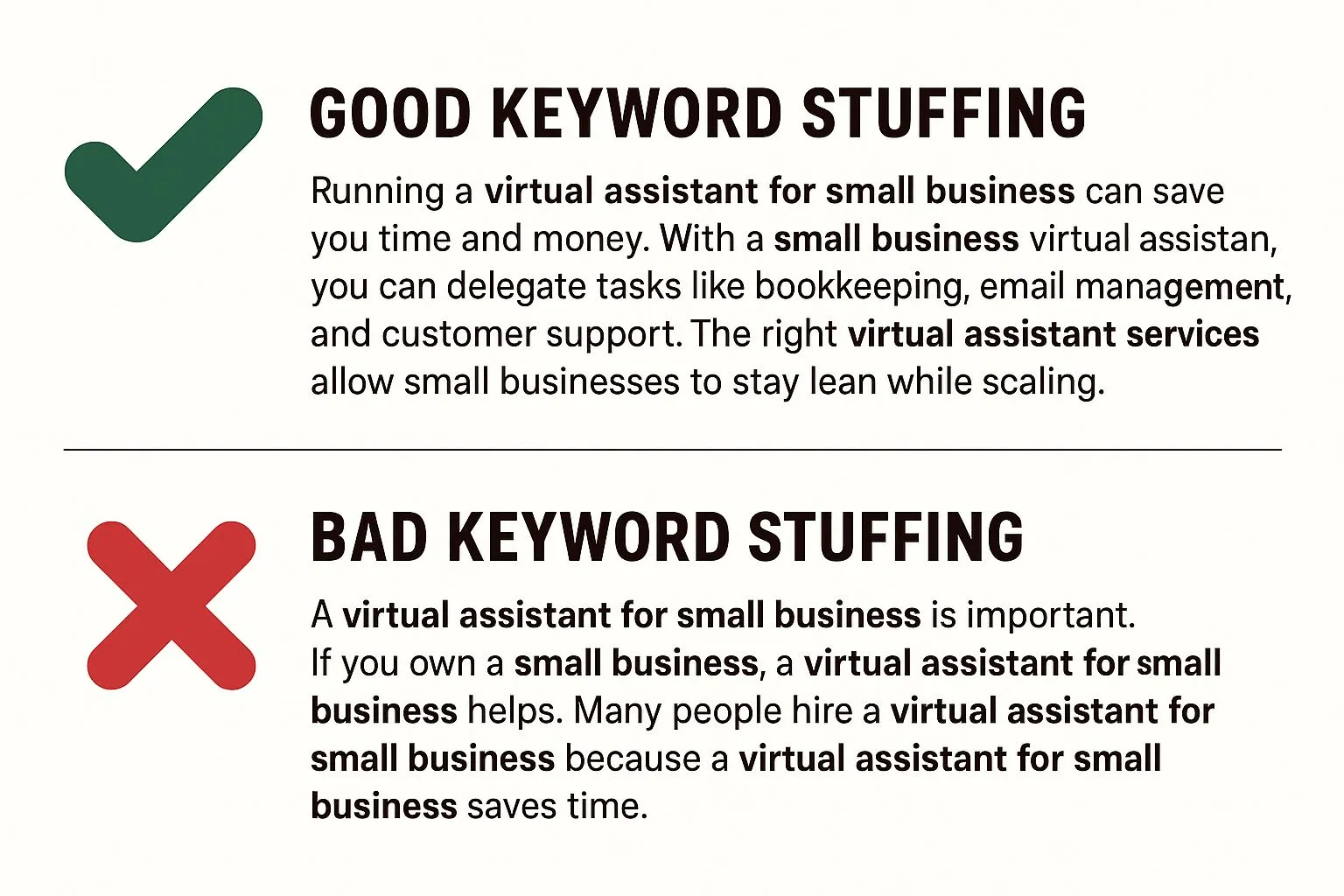
Keyword stuffing is only bad when it’s dumb.
-
Bad: This gaming laptop is the best gaming laptop because it’s a gaming laptop for gaming.”
-
Good: “This is the best gaming laptop under $1000 — and we’ve tested 15 of them to prove it.”
There’s a difference between intentional repetition and linguistic diarrhea.
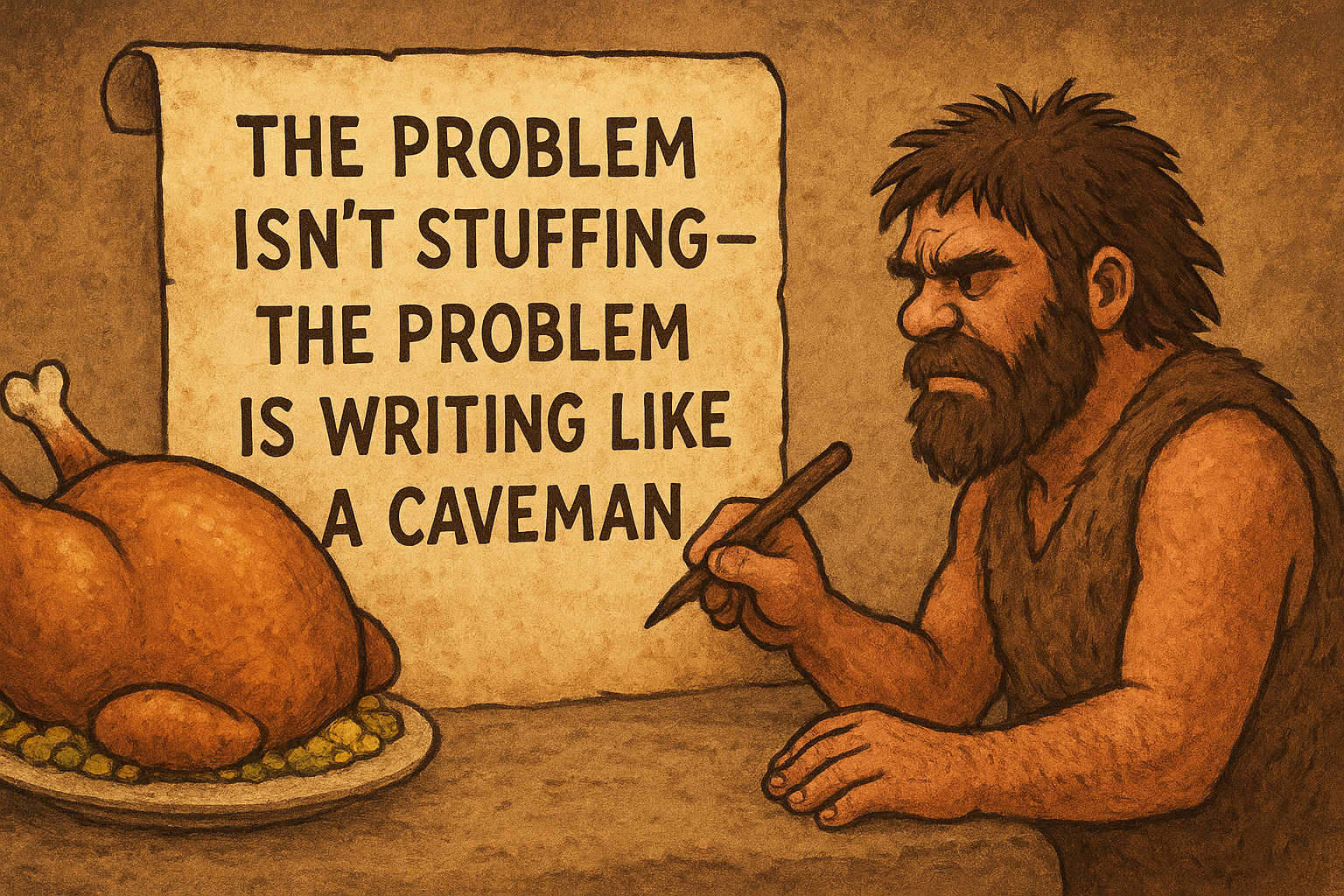
The problem isn’t stuffing — the problem is writing like a caveman.
And Let’s Talk About Another Piece of SEO Theatre
NLP Tools — Aka "Mediocrity Recommenders"
Oh, you thought I’d skip the sacred cow of NLP-driven content optimization?
Get into their software and look closely — the more “recommended phrases” you stuff into your content, the higher your precious content score goes.
Magic, right?
Wrong. What these tools actually do is scrape the top ranking articles — which can be total crap — and suggest:
“Add words like ‘robust’, ‘solution’, and ‘user-friendly’ ‘New York’ to increase topical authority.”
Yeah, let’s just add "user-friendly solution" three more times and pretend we did something revolutionary.
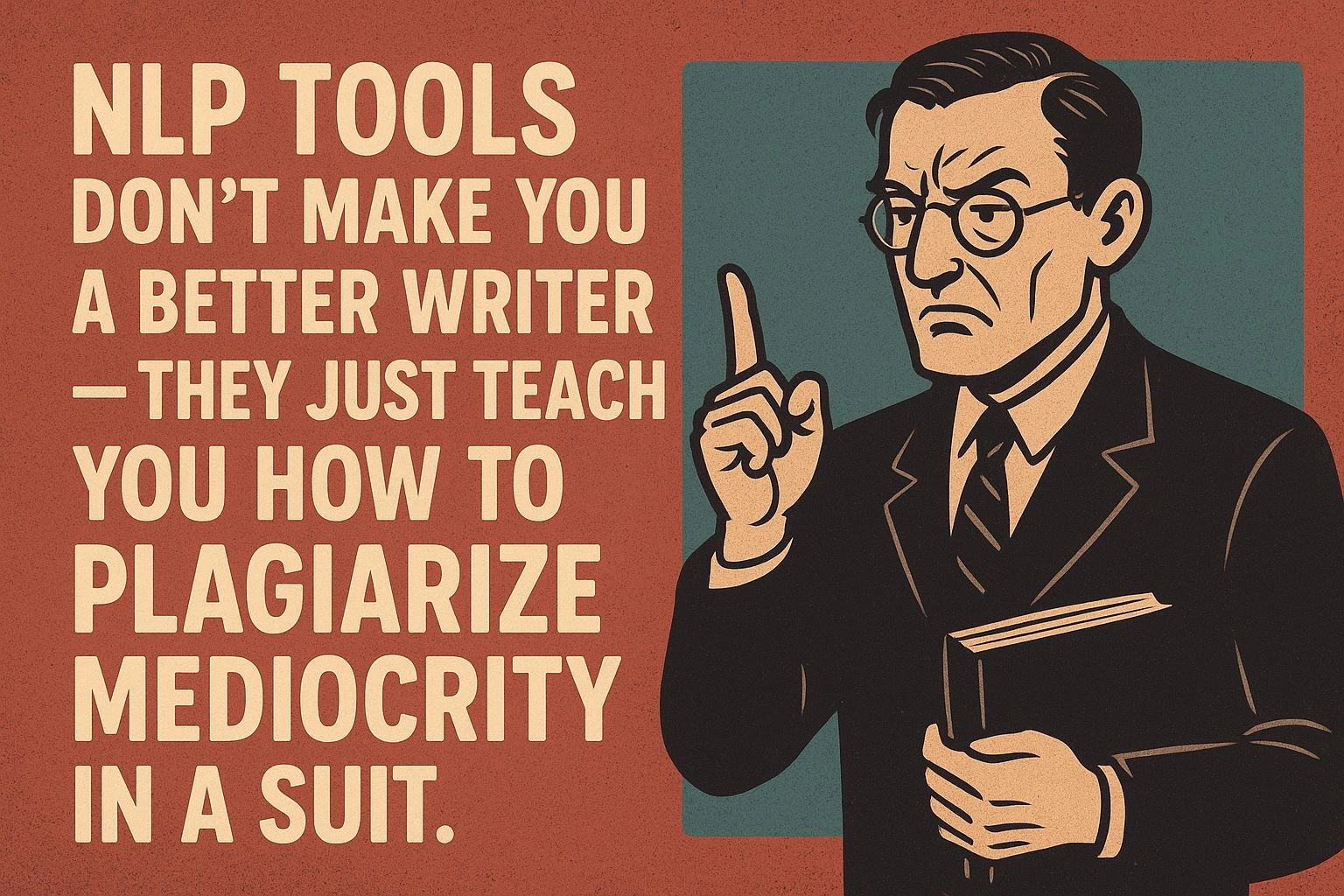
It’s not intelligence. It's an imitation.
And guess what?
Even with a 92 content score, half these NLP-approved articles don’t rank.
Because parroting bad content doesn’t make yours good — it just makes it well-dressed garbage.
These tools aren’t helping you write better — they’re just pushing you to color inside the lines of mediocrity.
Newsflash: You don’t rank by matching the losers. You rank by beating them.
Stop being afraid of red lines and low scores. If your content slaps — it slaps, regardless of what the tool says.
Who’s to Blame? Overly Sanitized SEO Gurus
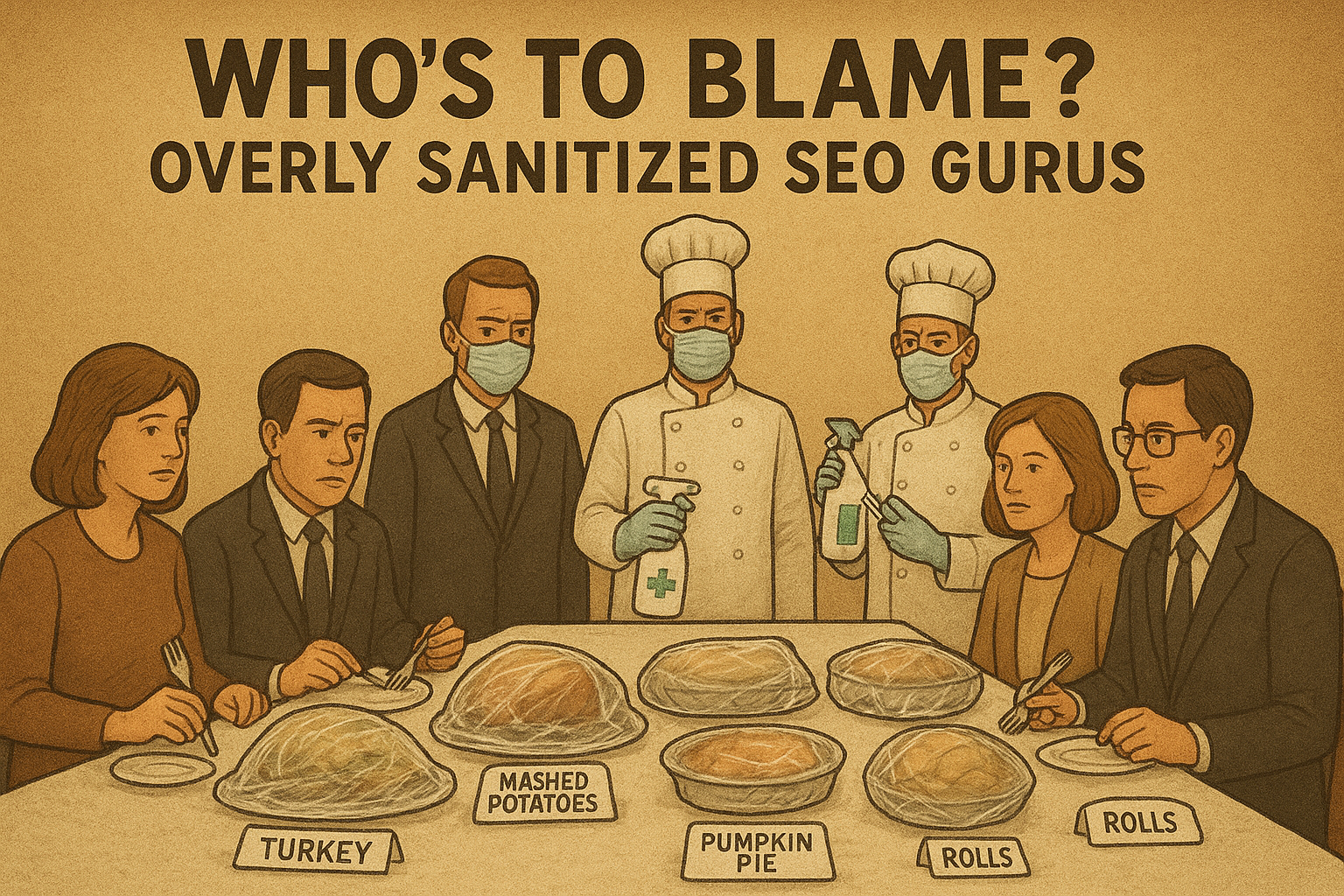
Those SEO “thought leaders” who keep posting generic LinkedIn posts about “building trust through storytelling” while secretly optimizing their landing pages with exact match keywords in bold, H1 and URL.
They say: “Don’t stuff keywords — be authentic.”
But their code says:
Hypocrisy much?
Strategic Stuffing Is an Art Form
You know what separates amateurs from pros?
Knowing how to stuff a keyword and get away with it.
SEO copywriting is like fudging numbers in a corporate PowerPoint.
You can’t make it obvious — no one wants flashing red flags.
But a few strategically rounded figures? A well-placed chart that leans in your favor?
That’s how you win the boardroom and keep your job.
Here’s how to do it:
-
Use the keyword in your title, URL, intro and conclusion.
-
Drop it organically in subheadings and image alt tags.
-
Rewrite the same phrase using different syntax.
-
Use tools like Surfer SEO, Clearscope and Frase to know exactly how much you can get away with — but don’t become their puppet.You want to rank? You need to own your niche’s language like a local. Stop tiptoeing around phrases just because they appear 7 times.
SEO Purists Are Crying in the Corner Right Now
Some will jump in with a “Well actually…”
“Keyword stuffing literally means using too many keywords!”
Yeah, cool story. But here’s the thing — there’s a difference between definition and meaning.
If Google Panda were literal, it’d be a bear gnawing on sugarcane, confused and possibly dying from diabetes.
You get it.
People in SEO, digital marketing or content strategy get it.
We know that “keyword stuffing” means abusing keywords until your content reads like an email from a drunk robot.
But what about the carpenter?
The lawn service owner?
The spiritual healer?
They just want to write something that reaches their audience — but they’re scared.
Because to them, stuffing means exactly what it sounds like: “putting something inside something else.”
So when they hear “Don’t keyword stuff,” they hesitate.
They second-guess.
They don’t add keywords at all — because the industry jargon sounds like a red alert siren.
And no one explains this.
The phrase “keyword stuffing” in plain English means “adding too many keywords in a way that makes no sense.”
But we’ve made it so taboo that people think putting their primary keyword anywhere is a crime.
Let’s get real:
If you’re writing about “roof repair in Austin” and you never mention “roof repair in Austin” — you’re not stuffing, you’re starving your content.
Let’s stop fearmongering and start using common sense.
Name it! Even Harry Potter dared to call Voldemort by his name. So, what’s stopping you?
The Algorithm Is Cruel — So Be Cruel Back
Google doesn’t care about your creativity if no one sees it.
Being subtle in SEO is like whispering at a rock concert. You’ll lose to the loud guy every time — especially if he’s loud and smart.
So here’s what I’ve learned:
Stuff the keyword — smartly, stylishly and strategically.
The timid will be buried on page 2. The bold will ride the traffic wave to the top. Stop writing for robots. Stop writing for scared marketers.
Keywords Optimization for Zero Clicks
Here’s where people get it twisted.
They hear “zero-click” and suddenly think keywords don’t matter anymore. Like somehow AI overviews are pulling answers out of thin air.
Really? You think Google’s magical robot is channeling divine wisdom? No. It’s scraping your words.
If your keyword isn’t in the right places, you don’t even qualify for the snippet. Forget citations, forget visibility — you’re invisible.
Here’s the game:
Title + H1: This is your flag on the hill. If your keyword isn’t there, you’ve already lost.
Intro + Conclusion: Google wants context. Give it to them at the start and close.
Subheads + Alt Tags: These are your cheat codes. Sprinkle your keywords like landmines in places Google scans hardest.
Variations: Don’t just repeat — reframe. Same intent, different syntax. That’s how you lock in semantic relevance without sounding like a caveman.
Example:
Core keyword: best gaming laptop under $1000
- Smart variations:
“Top gaming laptops you can buy under $1,000”
“Affordable gaming laptops under 1000 dollars”
“Budget-friendly gaming laptops (tested in 2025)”
Another one:
-
Core keyword: roof repair in Austin
-
Smart variations:
“Affordable roof repair services near Austin, TX”
“Austin roof repair contractors you can trust”
“Emergency roof repair in Austin”
See the difference?
One screams “keyword stuffing.” The other whispers “I know exactly what you’re looking for” — and Google eats that up.
Stop pretending keywords don’t matter. They’re the GPS coordinates telling the algorithm exactly where to put you.
Zero-click doesn’t kill keyword placement. It makes it life or death.
Because let’s face it — you can’t dominate the SERP if the SERP doesn’t even know you exist.
Write for the people who search — and give them exactly what they typed.
Because that’s not manipulation.
That’s just giving a damn.
Find competitors' adwords keywords (adwords called "ads" now)
When you understand that listing keywords in isolation is key before framing them in context or sprinkling them across your blog post, you realize the next logical step: find competitors’ Ads keywords.
Because here’s the truth — you don’t just want any keywords. You want the ones your competitors are bleeding budget on. If they’re spending thousands to bid for visibility, that’s not random. That’s the best of the best of search intent. You can cross check their performance and relevance using SEO tools.
This is where tools like SEMrush, SpyFu, or Ahrefs come in. You run a keyword gap analysis and suddenly you’re looking at a list of terms your competitors thought were worth actual money. Not theory. Not fluff. Hard, transactional keywords that pay the bills.
Think about it:
-
Organic keywords tell you what a competitor hopes to rank for.
-
Paid AdWords keywords tell you what they’re willing to pay for.
That’s the difference.
When you zero in on these competitor keywords, you’re no longer guessing what matters. You’re shortcutting the trial-and-error game. You’re plugging into the exact phrases that are already pulling traffic, leads and conversions in your niche.
And here’s the kicker: once you have them, you don’t just copy. You out-create, out-optimize and out-position. You create content that doesn’t just rank — it dominates.
So, don’t play small. If you’re serious about visibility, it’s not enough to “be relevant.” You need to target like a sniper and that starts with finding competitors’ Ads keywords.
Google Ads Competitor Analysis Tools: Your Spy Kit
Here’s the deal: nobody admits it out loud, but Google Ads is a war. If you’re not using Google Ads competitor analysis tools, you’re walking into that war blindfolded.
Competitors already know what’s working — because they paid to find out. Why start from scratch when you can open up their strategy, study it and then outsmart them?
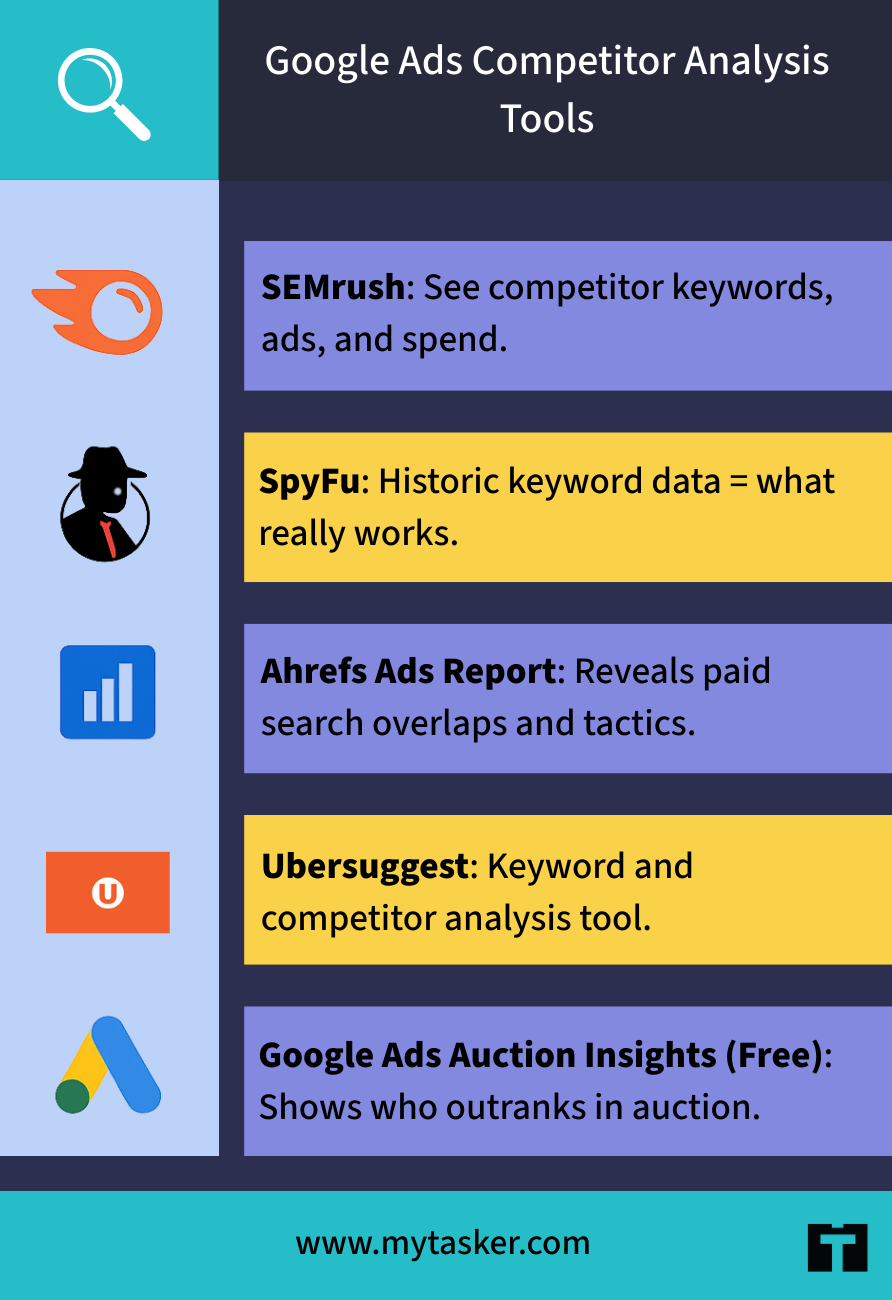
Here are the big guns worth your time:
-
SEMrush → Not just for SEO. Plug in a domain and instantly see what keywords they’re bidding on, their ad copy and even estimated spend. It’s like a financial x-ray of your competitor’s PPC wallet.
-
SpyFu → The original spy tool. It gives you historical keyword data, so you see not just what they’re bidding on now, but what they’ve doubled down on. Translation: what’s actually making them money.
-
Ahrefs Ads Report→ Known for SEO, but the ads tab is underrated. It lets you see paid search strategies and keyword overlaps between your site and theirs.
-
Ubersuggest → It helps businesses analyze competitor keywords, ads, and traffic to uncover strategies, identify profitable terms, and optimize campaigns for better results at lower costs.
-
Google Ads Auction Insights (Free) → The secret most people ignore. Inside your own Ads dashboard, this report tells you exactly who you’re competing against in live auctions — and how often they outrank you.
Is adding too many keywords bad for google ads?
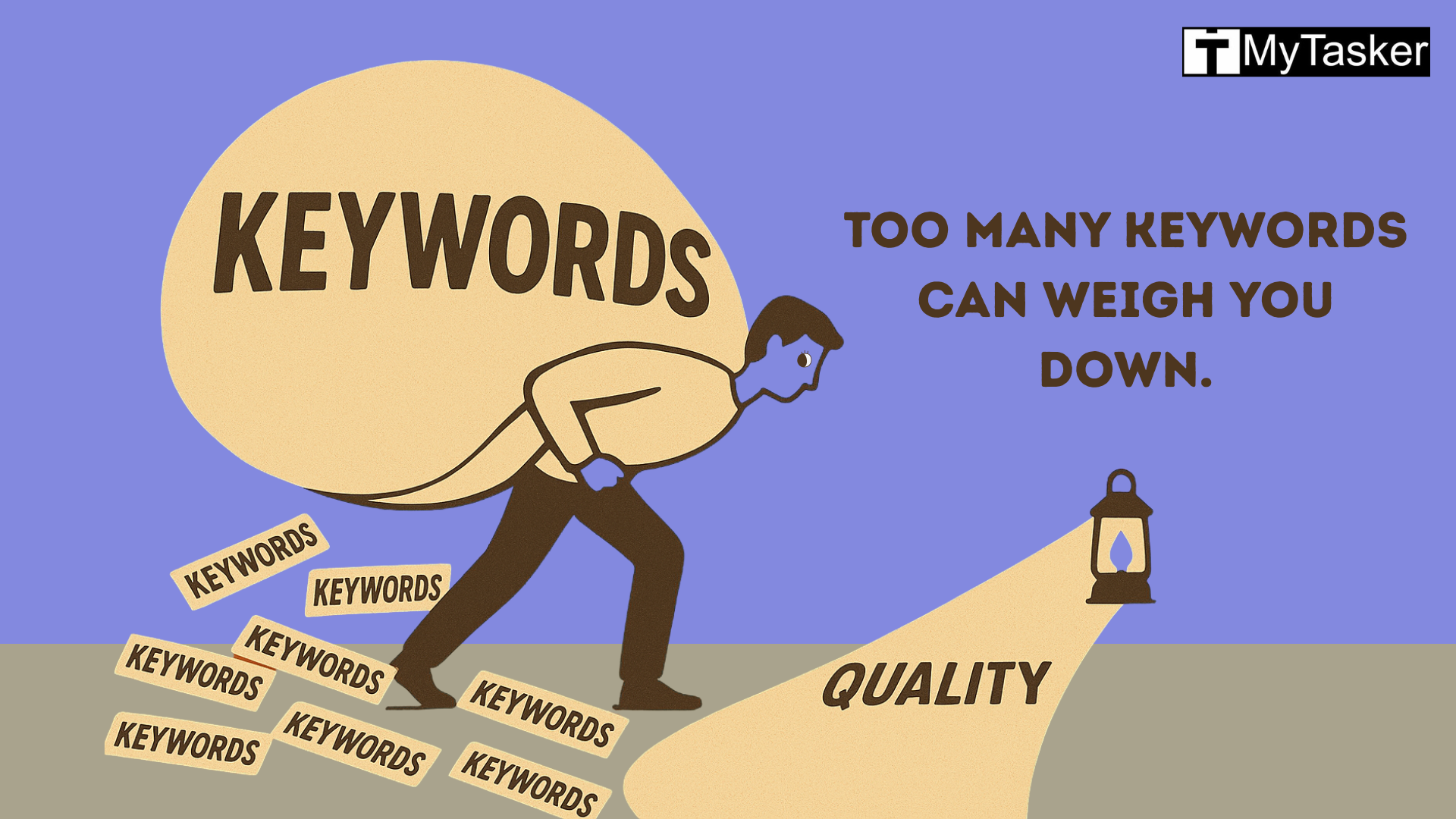
Yes—too many keywords in Google Ads can blow up in your face. A big keyword list splits your budget, reduces impressions per keyword and attracts irrelevant clicks. Poorly matched keywords reduce CTR, hurt Quality Scores and increase costs. Overlapping keywords can even compete against each other and waste more spend. Managing hundreds of keywords is a nightmare and makes it harder to optimize, to refine bids and ad copy. The best approach is to focus on 10-20 high intent, tightly themed keywords per ad group, use exact match and prune the weak performers. In Google Ads quality beats quantity—focused keywords = better ROI.
Why These Tools Matter
Because guessing in Google Ads is expensive. Really expensive.
If you try to “figure it out yourself”, you’ll burn through your budget faster than you can say Quality Score. But with the right competitor analysis tools, you’re not just running ads — you’re running ads with battle tested intelligence.
You’re not reinventing the wheel. You’re stealing the blueprint and building a better, faster wheel.
Pro tip: Don’t just copy competitor keywords blindly. Take what they’re paying for, then build better ad copy + smarter landing pages. That’s how you win the clicks and the conversions.
Still Scared to Use Keywords?
Don’t be.
The game isn’t about stuffing. It’s about owning your niche’s language like a local. Stop tiptoeing around phrases just because they appear 7 times.
At MyTasker, we help business owners, creators and rebels like you write content that actually ranks and get clicks and engagement — without watering it down.
Tired of SEO fluff? Let’s cut through the noise — together.
New fear in the market, AI content is crap! It’s not true either.
AI or human, all will write for you!
Let’s create content that Google loves — and your audience devours.