Most creators don’t have a content problem.
They have a waste problem. You pour real hours into a blog, video, or webinar.
It gets a modest bump of attention, then quietly fades into the archive while you rush to create the next thing.
That cycle starts to feel normal and exhausting. I learned this the hard way.
A webinar I spent days preparing barely hit a few hundred views.
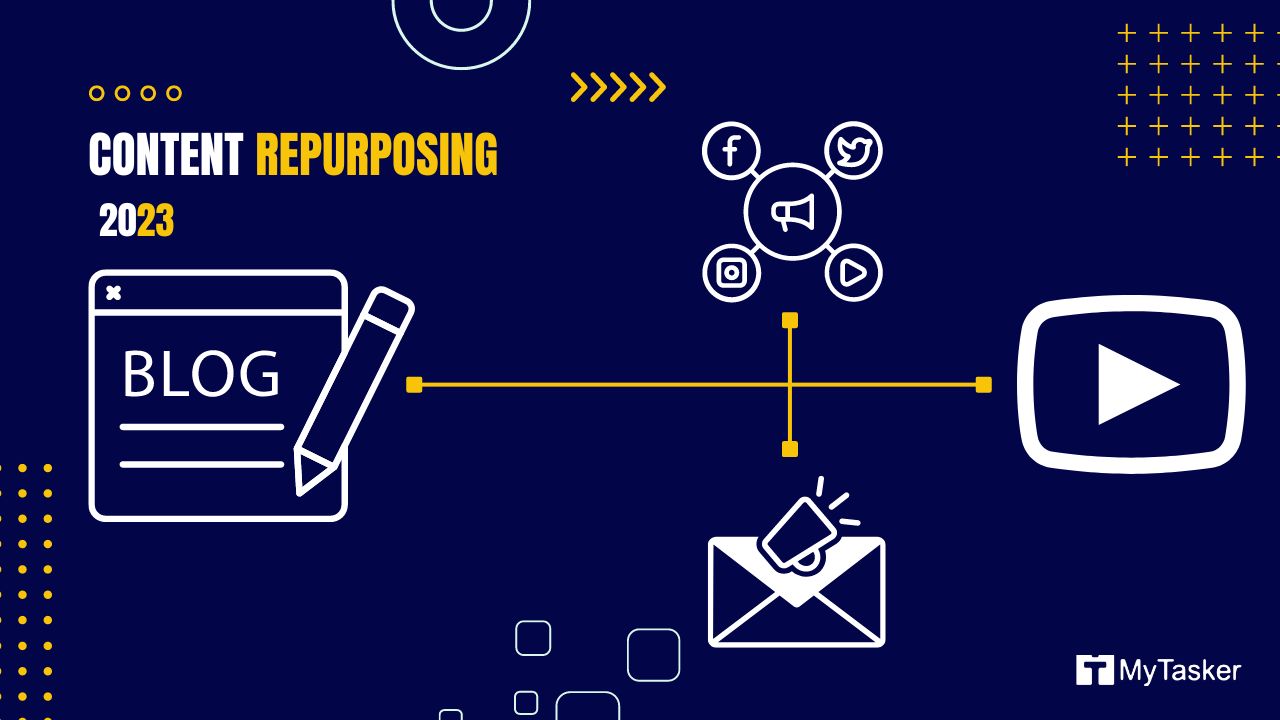
I labelled it a failure and moved on. Weeks later, I revisited it out of guilt. I pulled out the strongest 60-second moments, turned them into short clips, turned the key frameworks into carousels, and turned the biggest takeaway into an email series.
That “failed” webinar ended up reaching thousands more people than the original ever did and generated actual leads.
That moment changed how I create forever. The idea wasn’t weak. It was just trapped in the wrong format.
Repurposing isn’t about squeezing more juice out of mediocre work. It’s about respecting the effort you’ve already invested and giving your best ideas multiple chances to land.
.png)
Why This Approach Wins
People no longer consume content the same way. Some read deeply. Others scroll fast. Many listen while doing something else.
One idea can feel heavy in a long blog, too slow in a full video, and suddenly magnetic as a 20-second clip with the right hook.
When you repurpose thoughtfully, you’re not repeating yourself — you’re meeting people where they actually are.
The biggest surprise? So much “underperforming” content isn’t bad. It’s simply in the wrong wrapper.
Once you internalise that, you stop obsessively chasing new ideas and start mining what you’ve already built.
What’s Actually Worth Repurposing
What’s Actually Worth Repurposing
Be ruthless here: it saves months of wasted effort. Go back to the content that already showed some signal:
- Decent traffic or time-on-page
- Comments or replies that went beyond “great post”
- Topics that still feel relevant today
- Pieces you’d still feel proud to put your name on
Thin, rushed, or low-effort work rarely gets rescued by format changes. Fix or retire those instead.
Quick audit tip: Look at your analytics for the last 12–18 months. The top 10–15% of your content is almost always worth revisiting.
A Concrete Way to Break Content Down
This is the part most advice glosses over, so let’s make it practical.
Don’t try to repurpose the entire piece at once. That’s overwhelming and usually leads to generic output.
Instead, treat your original content like a mine and extract the atoms — the self-contained, high-value moments.
Ask yourself three questions while reviewing it:
What’s the single strongest insight or opinion?
What’s a clear story, example, or before-and-after shift?
What’s a framework, list, or step that stands alone?
Real examples from that webinar I mentioned:
One 60-second story about a client who wasted six months on the wrong content strategy → became a high-performing short video and the hook for a carousel.
A simple 3-part framework for choosing what to repurpose → turned into a LinkedIn carousel and a Twitter thread.
The core line “Your content isn’t failing — it’s just in the wrong format” → became the headline for an email sequence and multiple short clips.
Once you pull out 4–8 of these atoms, the formats almost suggest themselves:
Strong opinion or hook → short video / Reels / TikTok
Framework or steps → carousel or thread
Story + lesson → longer LinkedIn post or newsletter
Multiple atoms together → updated blog, guide, or mini lead magnet
The core idea stays consistent. The packaging and pacing change to fit the platform.
Why Most Repurposing Still Falls Flat
Even when people follow the steps, the results are often mediocre. Two reasons usually kill it:
It feels copied, not adapted.
Same headline. Same paragraphs. Just dropped into a different template. Platforms have different rhythms — what feels thoughtful on LinkedIn can feel slow and boring on short-form video. Adjust tone, length, and hook every single time.
Over-reliance on raw AI output.
Transcription, summarisation, and clip suggestions are fantastic time-savers. But if you hit publish on the first draft the tool spits out, everything starts sounding robotic and same-y. Always add your own voice, tighten the language, and make it sound like you.
The Real Shift
The creators pulling ahead aren’t the ones frantically producing the most new content.
They’re the ones who’ve gotten disciplined about squeezing maximum value from what they’ve already created.
Your archive isn’t a graveyard of old posts. It’s a library of ideas that haven’t been fully used yet.
You’ve already done the hard work once.
Now it’s time to make it work harder for you. Start with one piece this week. Extract its atoms.
Turn them into 3–5 new formats. Spread them out. Watch what happens.
Do it consistently, and content stops feeling like constant pressure…and finally starts feeling like leverage.