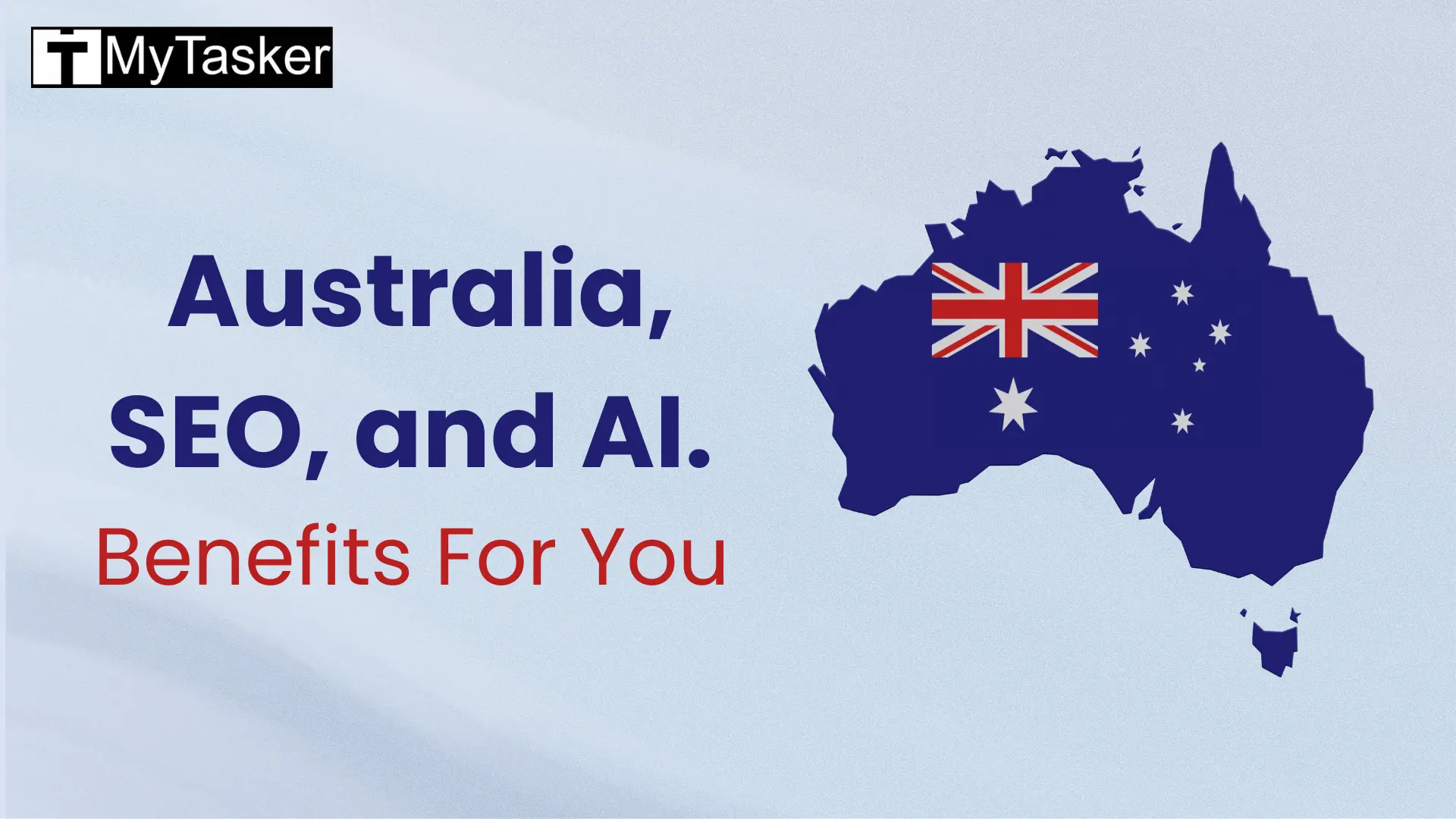
SEO, which once meant “search engine optimisation,” has now ditched the word engine entirely.
These days, it’s all about “search everywhere” optimisation. The desire for virality is futile, and focusing on brand values is more important than ever.
Speak from your heart and your experience—refer to what you felt, saw, or sensed—and AI, as a great listener, will be all ears. That is what real authority looks like.
Cut the noise. Add value. Be truthful. And forsake the obsession with going viral. That’s what brings the sanity and serenity needed for the long haul.
Search Everywhere Optimisation
Australian SEO is going through its biggest shake-up since Google first hit the scene. The old playbook — keywords, backlinks and trying to “rank on page one” — doesn’t cut it anymore.
In 2026, Aussie businesses need to optimise for the search experience, not just the search engine.
With AI Overviews, omnichannel discovery and hyper-local ranking signals changing how Australians search, visibility is now spread across Google Search, Maps, TikTok, YouTube, Google Lens, your Google Business Profile and even AI tools like ChatGPT and Gemini.
If your brand doesn’t show up everywhere — fast, authoritative and with proof — you’ll drop off the radar.
This blog post breaks down the key Australian SEO opportunities and challenges for 2026 based on Australian SEO 2026.
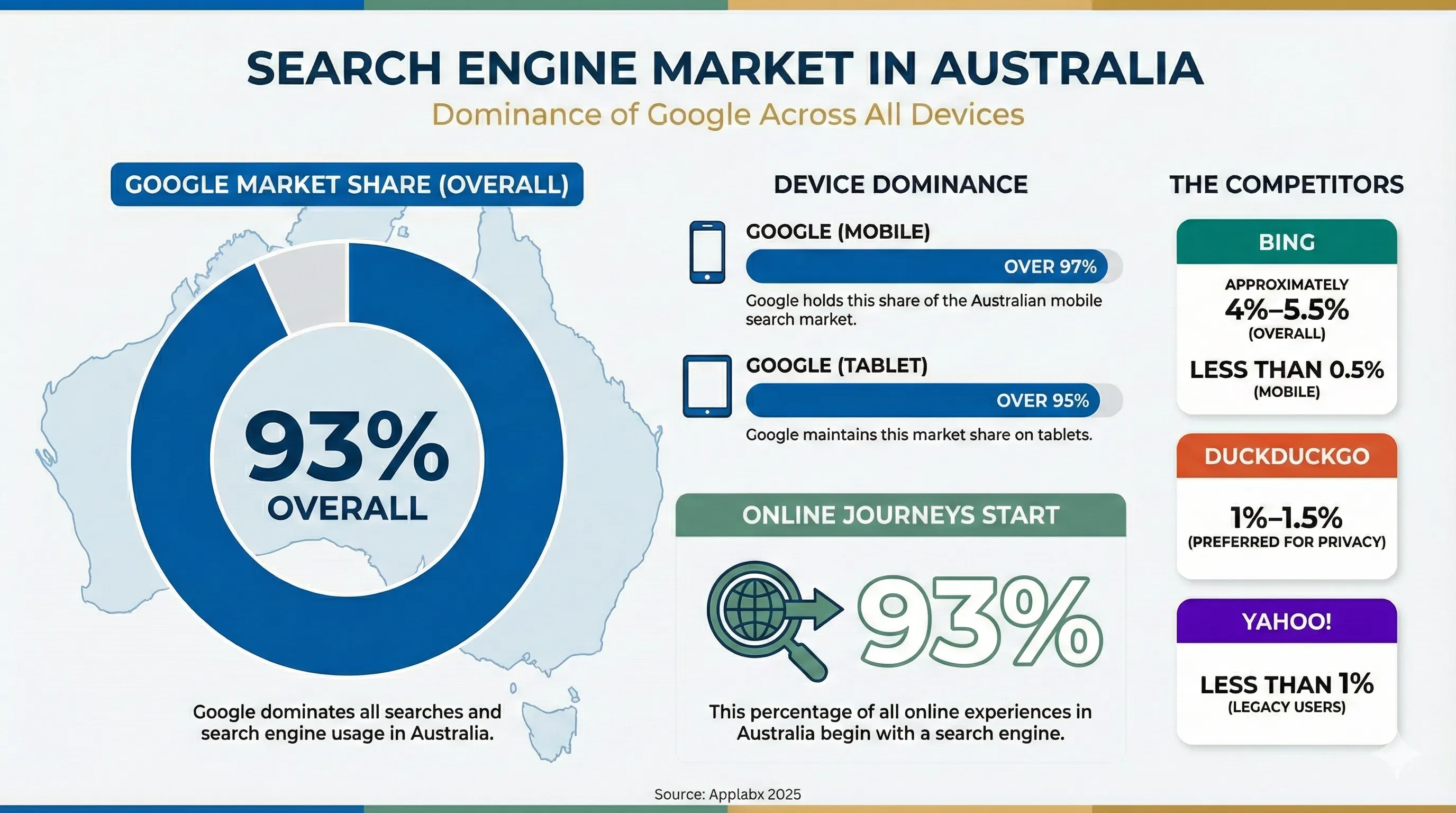
The 2026 SEO Shift: From SEO to SXO
SEO is no longer “Search Engine Optimisation.”
In 2026, it’s Search Experience Optimisation (SXO).
Aussies don’t follow linear search journeys anymore. They hop across:
-
AI Overviews
-
Google Maps
-
Reddit threads
-
TikTok search
-
YouTube explainers
-
Visual search via Google Lens
-
AI discovery engines like ChatGPT and Gemini
To win, your business must be visible, credible and technically tight across the entire journey — not just one channel.
The wars of keyword positions are folklore now! Now, it’s a game of citations and appearing in the answers.
Three things now decide SEO success in Australia. The third is the most important one.
1. Trust (E-E-A-T)
Your content must show real-world experience and genuine expertise.
Unverified, generic AI content won’t rank.
Human-led, evidence-rich content ranks and gets cited by AI models.
2. Visibility (Omnichannel)
Google’s ten blue links used to matter.
Now TikTok, YouTube, Google Lens, GBP and AI Overviews matter just as much.
3. Speed (Mobile-First Performance)
Australians are the most impatient mobile shoppers on the planet.
Your site must load in 2 seconds — or users bounce.
Generative AI: The New Search Battleground
Google’s AI Overviews (AIOs) — the evolution of SGE — are now rolling out across Australia and the wider APAC region. This turns search from a navigation tool into a direct “answer engine.”
Zero-click searches are rising — but high-intent clicks are worth more than ever
Almost half of AIO queries result in no website click at all. Google answers the question right there in the SERP — especially for simple queries like hours, directions, definitions and basic “how to” information.
When it comes to the impact of zero-click searches, informational content stands on the front line.
But the clicks you do get are:
-
deeper
-
better informed
-
higher intent
-
closer to converting
AIO filters out tyre-kickers.
To be cited inside AIOs, your content must be:
-
authoritative
-
properly structured
-
schema-optimised
-
trustworthy
-
human-reviewed
Human + AI is the new content workflow
AI tools are brilliant for research and drafting — but they cannot replace human authority.
Google actively suppresses machine-generated content with no oversight.
The winning process: AI-assisted, human-led content.
Technical Imperatives: Speed, Mobile & Conversational Search
1. Core Web Vitals (CWV) now directly affect visibility
Slow websites are dead in the water.
Google now prioritises:
-
LCP (Largest Contentful Paint)
-
INP (Interaction to Next Paint)
-
CLS (Cumulative Layout Shift)
Hosting location matters.
If you’re targeting Aussies, host your site on Australian servers for faster load times and better rankings.
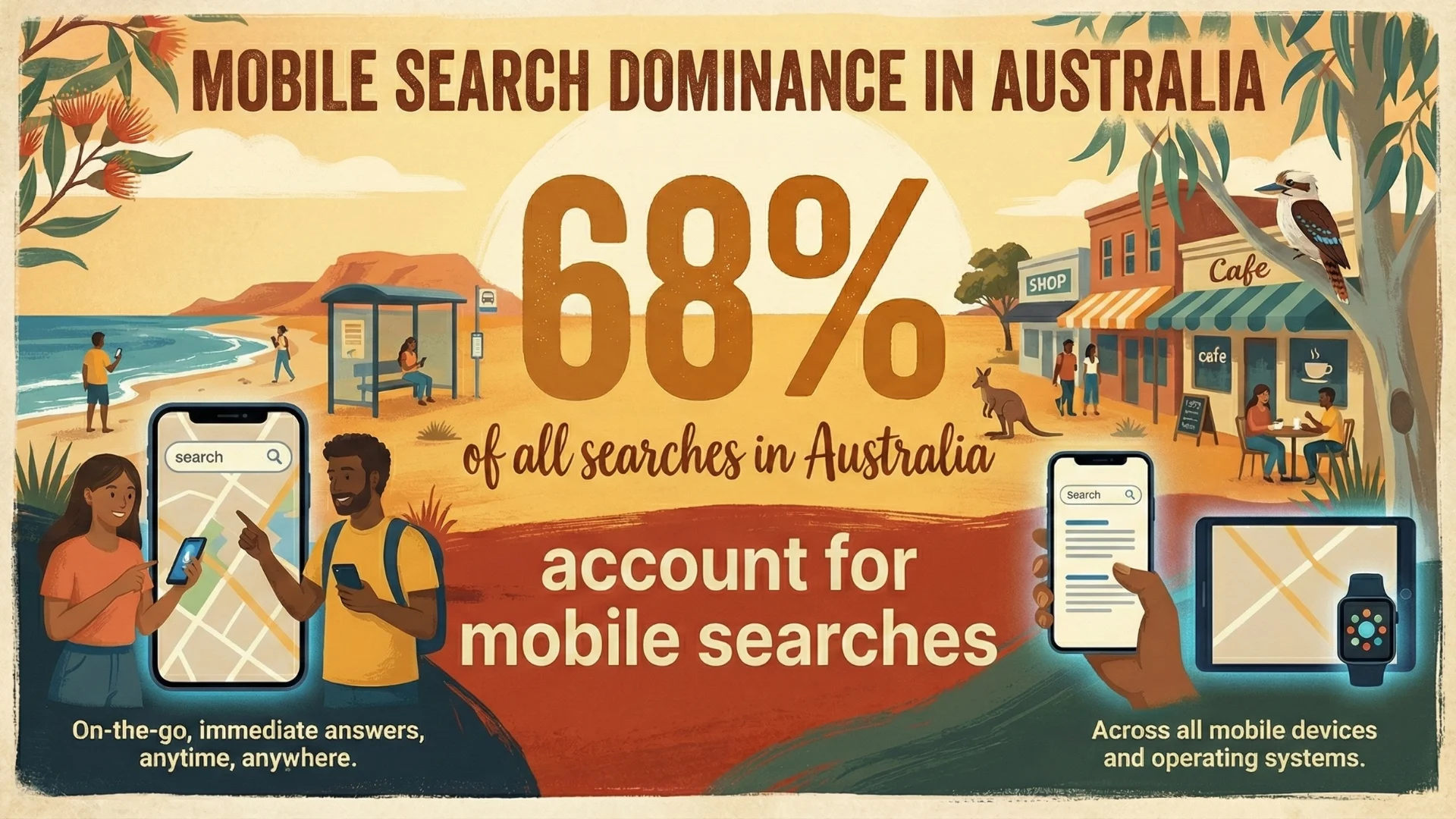
2. Mobile commerce now dominates (70–80% of Aussie e-commerce)
Australians hate friction.
35% prefer one-tap checkout — double the global average.
To compete, businesses need:
-
lightning-fast mobile pages
-
seamless checkout flows
-
PWA capability
-
smooth cross-channel shopping
Speed is no longer a “nice to have.” It’s a direct revenue driver.
To make sure AI actually picks up your site for answers, sort out your website speed first—absolutely the first thing you should fix.
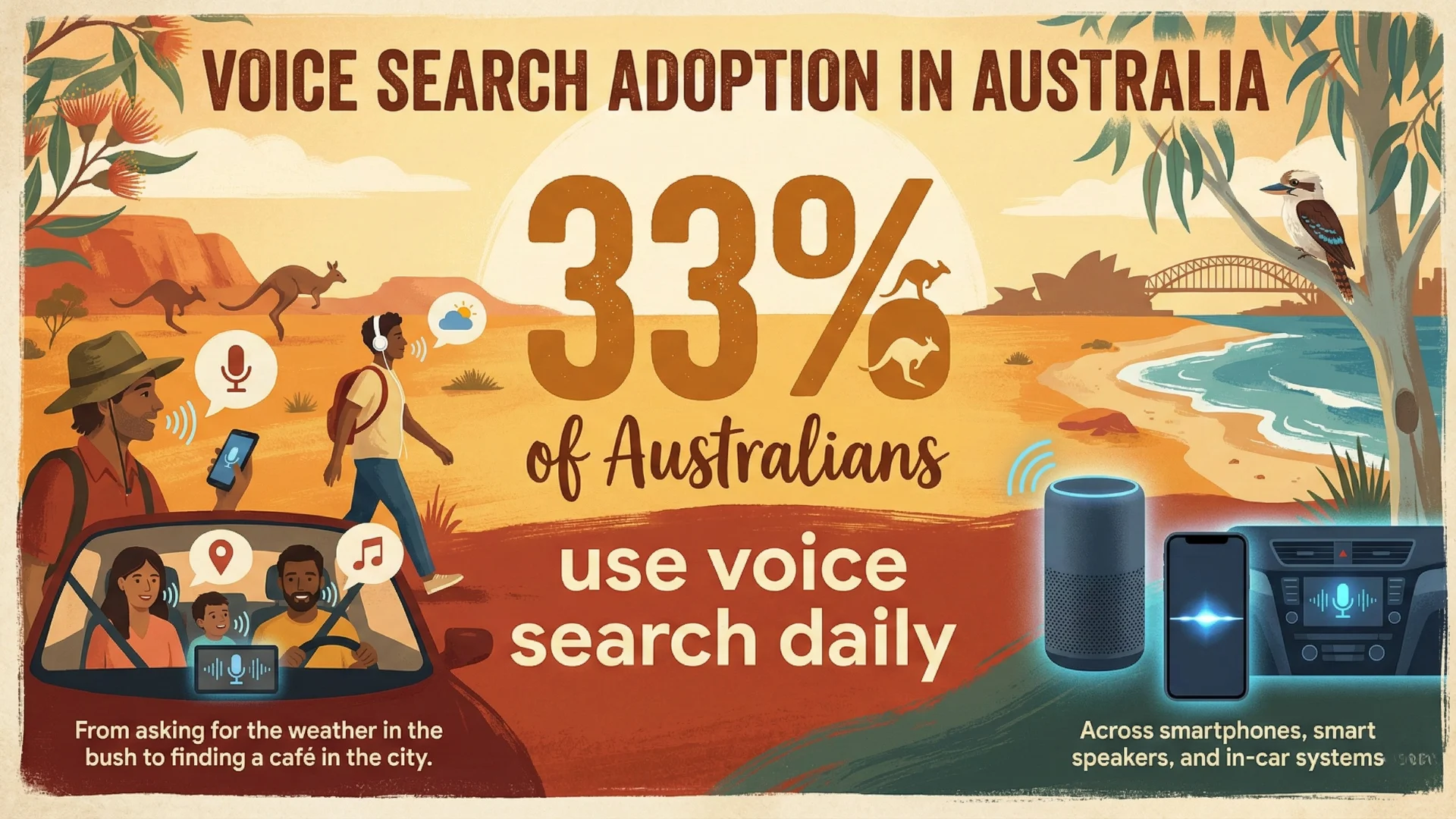
3. Voice Search Optimisation (VSO) is essential
Voice queries tend to be:
-
longer
-
more conversational
-
question-based
-
hyper-local
Voice assistants usually grab answers from Position Zero — featured snippets and FAQ schema.
If you’re not aiming for that spot, you’re invisible.
Content Strategy: Semantic SEO & Topic Authority
The keyword-stuffing days are over.
Modern SEO is all about semantic depth and topic authority.
1. Google ranks entities, not keywords
Google’s NLP models look at:
-
meaning
-
relationships
-
context
-
topic coverage
Example:
Someone searching “home loan calculator” also expects info on:
-
borrowing capacity
-
fixed vs variable rates
-
stamp duty
-
repayment schedules
If your content ecosystem doesn’t cover these, you’re not showing authority.
2. Topic Clusters are non-negotiable
The winning structure:
-
Pillar Page — broad, definitive guide
-
Cluster Pages — deep dives into specific subtopics
-
Internal links — descriptive, contextual linking between all pages
Topic Clusters help Google (and AI models) understand that your business is the trusted authority in your niche.
If you don’t use clusters?
Google sees your content as shallow and incomplete.
Omnichannel Visibility & Hyper-Local Authority
Local SEO has gone hyper-precise in 2026.
Google now distinguishes between two users just a couple of suburbs apart — e.g., Surry Hills vs Paddington — even if they search the same keywords.
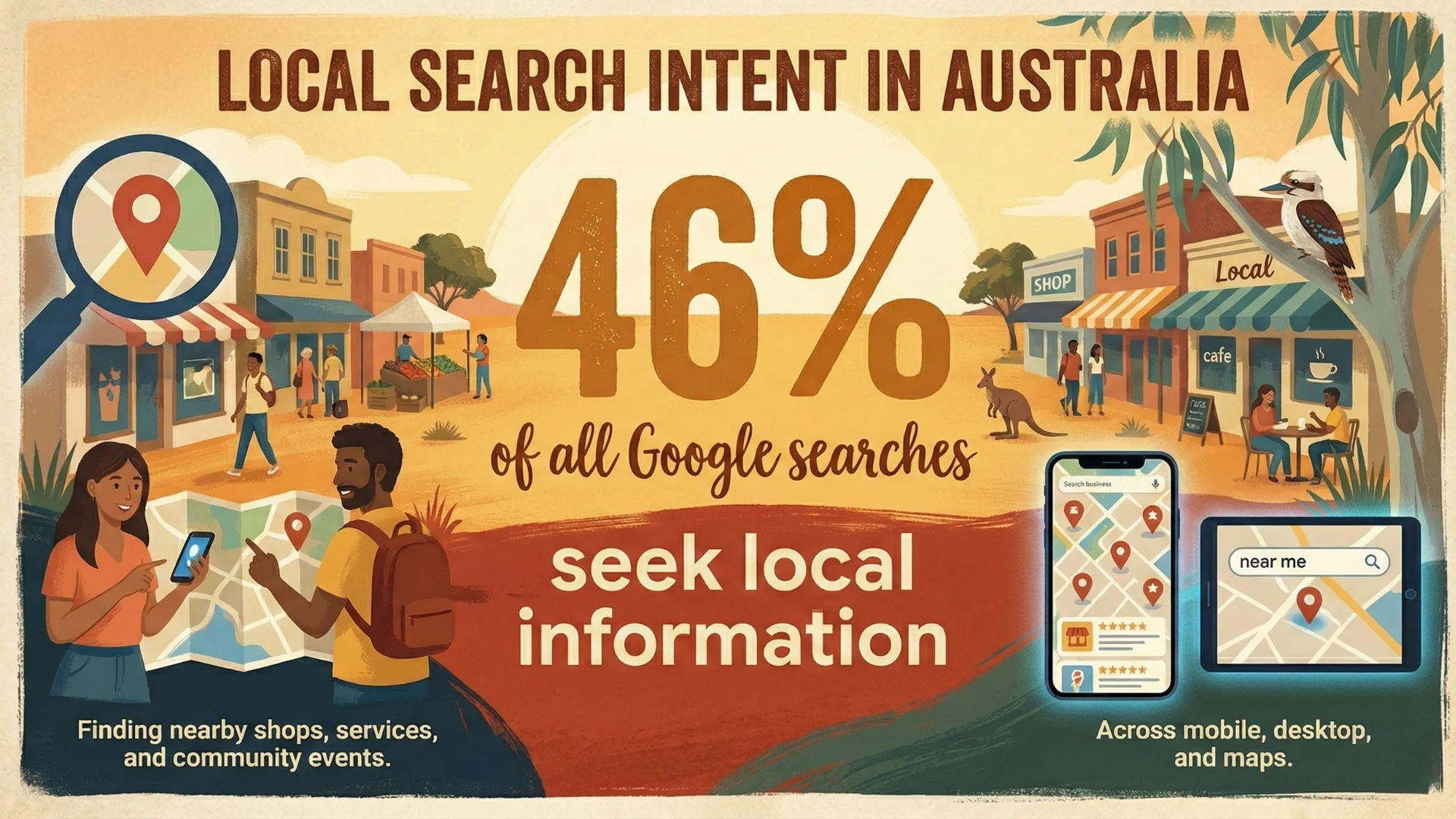
1. Hyper-local results dominate
“Near me” searches have exploded — up 500%.
Google now relies heavily on micro-location data and behavioural signals.
2. Google Business Profile (GBP) is now a core SEO asset
GBP ranking now prioritises:
-
active popularity (engagement)
-
reviews and responses
-
photo activity
-
Q&A engagement
-
freshness of updates
Reviews have overtaken backlinks as the major local ranking signal.
AI-powered review tools (like Podium or Birdeye) are now essential for staying competitive.
3. Social & visual search are exploding
Two platforms matter most:
Google Lens
Australians are adopting visual search rapidly.
Optimise for:
-
high-quality images
-
descriptive filenames
-
short, accurate alt-text
-
clean metadata
TikTok Search
More than half of TikTok users buy after discovering a product on the app.
Winning tactics include:
-
native-style videos
-
15–30 second clips
-
keyword-rich captions and on-screen text
-
UGC-driven content
-
trend-aligned creative
TikTok is no longer optional — it’s a major discovery engine.
Commercial Impact: Why SEO Is Now a Business Imperative
Paid advertising is getting very expensive in Australia:
-
CPC up 10%
-
Average CPC now $4.66
-
CPL up 25%
-
Some industries are paying $10–$15+ per click
SEO is a risk management strategy against unpredictable ad costs.
Investing in experienced SEO talent makes sense because:
-
SEO reduces paid media dependency
-
Organic traffic compounds over time
-
Strong topic authority increases market share
-
High-intent searchers convert better
Brands using advanced SEO strategies are already seeing:
-
3,700% traffic increases
-
multi-million dollar revenue growth
Organic search is the highest ROI channel in Australia.
Funnily enough, most people have no idea how many mentions they’re actually getting on AI right now. So stick to the basics, add real value, and ignore the noise.
And remember—your Google Search Console won’t lie. Check your last 16 months of impressions, pull out the real queries people are searching for, and weave them into your blog posts. Answer them in your own way, with your own perspective, whether that’s as a sub-header or an FAQ.
It works. I’ve tried myself and it’s fruitful.
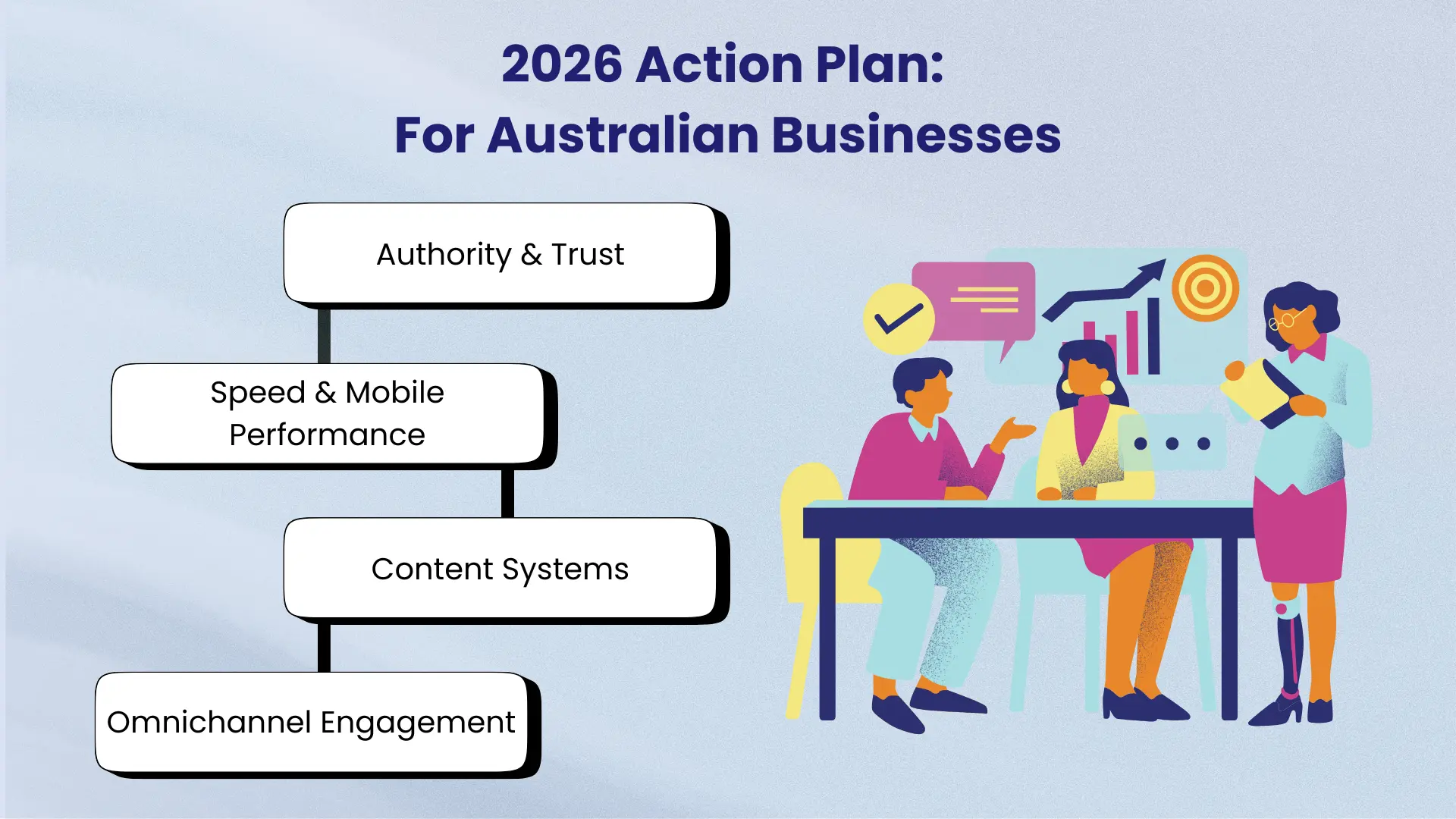
The 2026 Action Plan for Australian Businesses
Your to-do list:
Step 1: Authority & Trust (The Trust Audit)
-
Human-review every piece of content
-
Add case studies, proof and real experience
-
Implement advanced schema
Don’t say anything if you have nothing fresh, fruitful, and firsthand to say! I call it 3 Fs.
Step 2: Speed & Mobile Performance (The Conversion Audit)
-
Move to Australian hosting
-
Optimise all Core Web Vitals
-
Use AI-powered predictive loading
-
Streamline mobile checkout (PWA optional)
Step 3: Content Systems (The Semantic Pivot)
-
Build Topic Clusters
-
Strengthen internal linking
-
Write for conversational, long-tail queries
-
Use FAQ / HowTo schema to target snippets
Step 4: Omnichannel Engagement (The Visibility Engine)
-
Manage GBP daily or weekly
-
Automate review collection and responses
-
Optimise all images for Google Lens
-
Build a TikTok-native content strategy
-
Encourage UGC from real customers
-
Ensure NAP consistency across all AU directories
SEO in Australia 2026 Is No Longer Optional
The rules of visibility have changed.
AI Overviews, TikTok search, hyper-local results, and rising ad costs mean Australian businesses must move from fragmented tactics to a unified SXO strategy built on:
-
Trust
-
Omnichannel presence
-
Mobile-first performance
-
Semantic authority
Those who adapt early will own Australian search for the next decade. Those who don’t will fade from it.