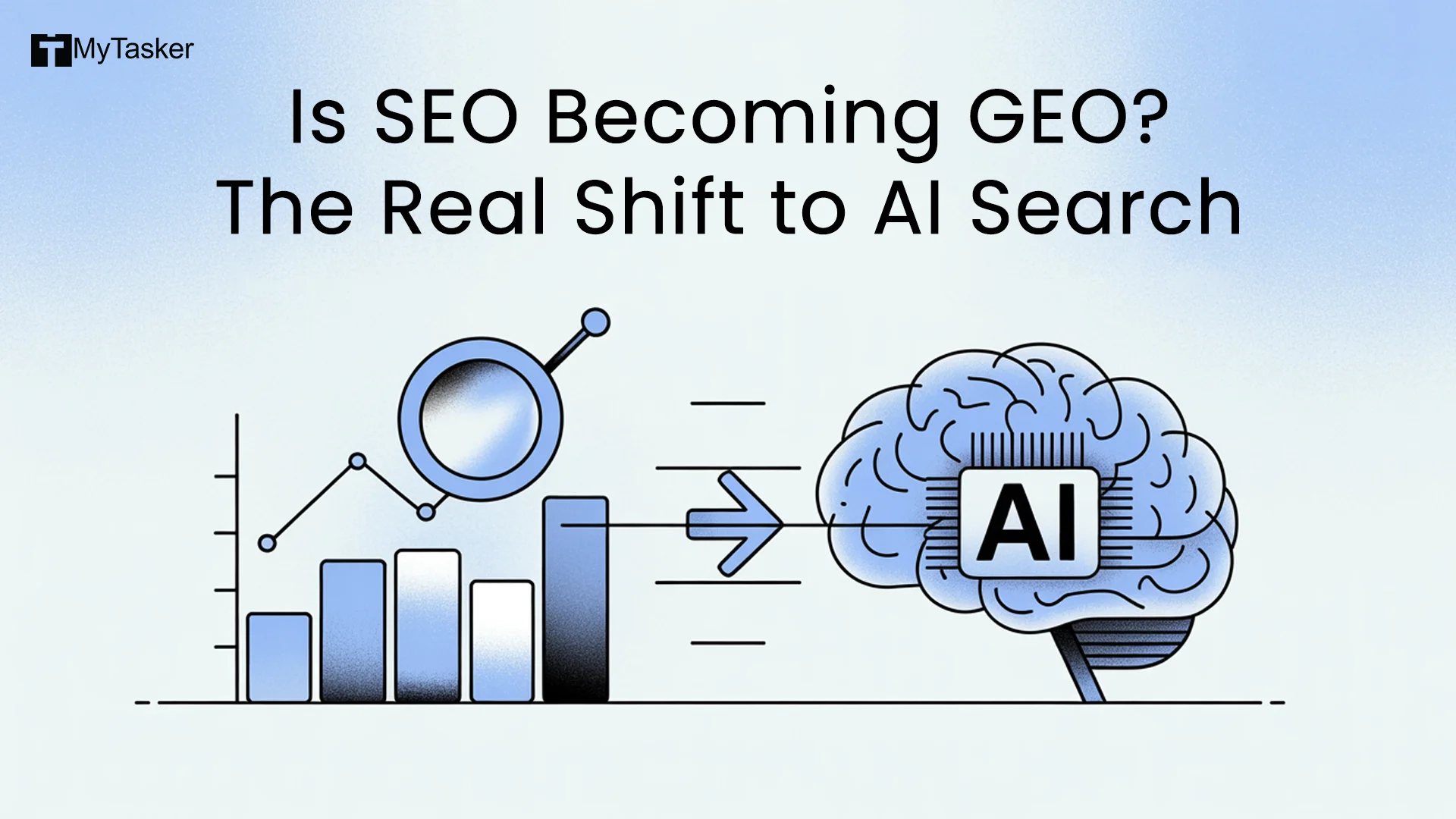
For decades, businesses and websites have placed immense emphasis on keyword optimisation and competing for clicks.
But in 2026, as the internet shifts its focus from search engines to answer engines, Google is no longer the only place people go for answers.
The way people search has changed.
Since the rise of AI, especially over the past year, search behaviour has become fragmented across multiple platforms.
Users now research topics in ChatGPT, cross-check sources in Perplexity, discover trends and ideas on Claude, and compare information in Gemini.
Personally, when it comes to deep research, nothing beats Gemini for me.
And when I want a fresh perspective or a different way of analysing something, tools like Julius AI and DeepSeek are always there.
And it’s not just me.
Today, people rarely rely on a single platform for information anymore.
News, research, comparisons, opinions, and even buying decisions are now happening across multiple AI-powered search and answer engines simultaneously.
Your website or brand visibility no longer depends on rankings.
It depends on whether AI systems trust, mention, and recommend your brand.
And thus, Virtual Assistants become one of the most pivotal growth assets for modern businesses.
Because dominating AI search is no longer just about technical SEO and obtaining backlinks.
It is about consistency, authority, reputation, structured information, and authentic content operations.
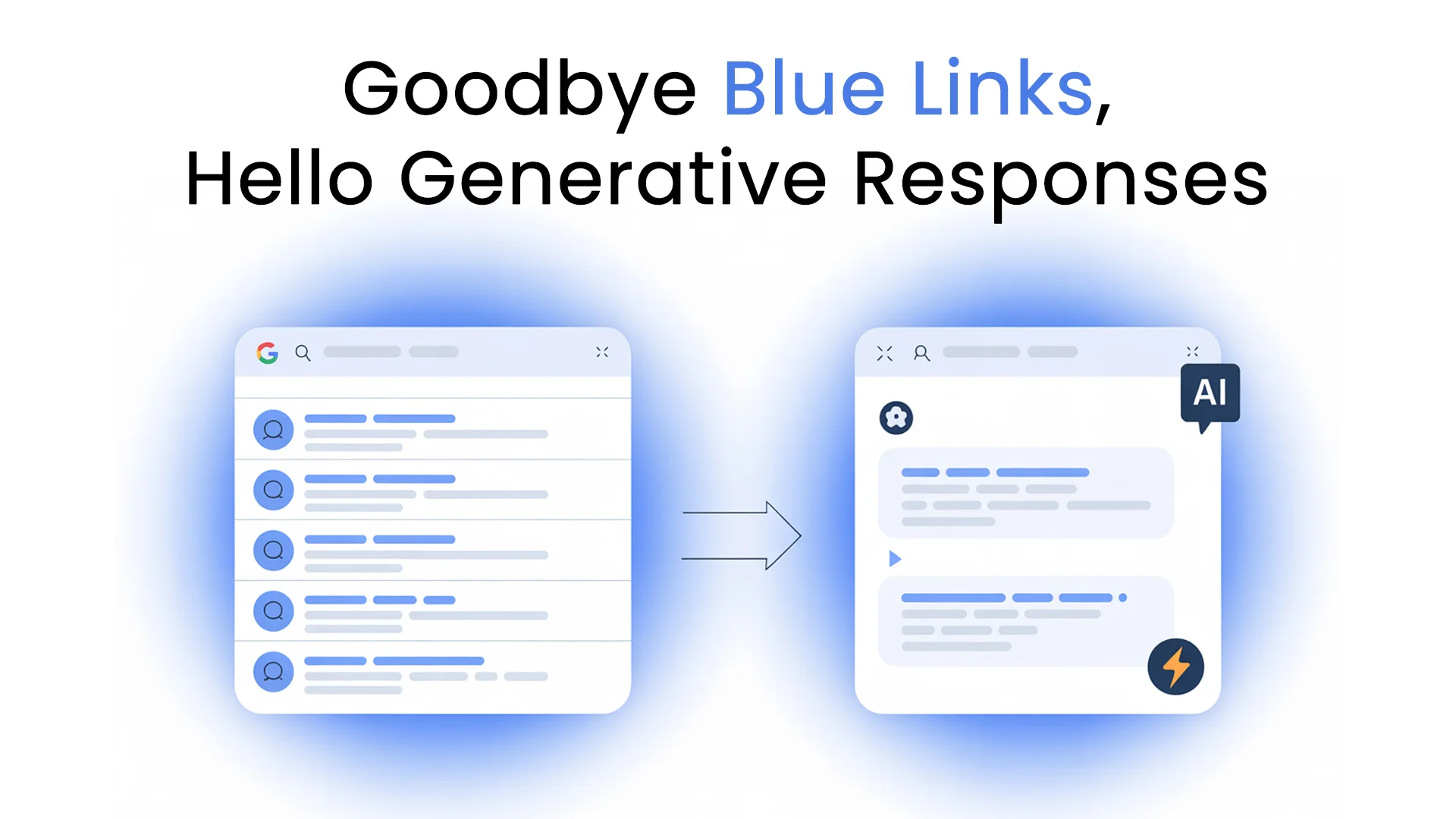
The Rise of Answer Engines
Traditional search behaviour looked like this:
-
User searches on Google
-
User clicks on a website
-
User compares information
-
User makes a decision
AI search changes that flow entirely.
Now the experience looks more like this:
-
User asks an AI assistant
-
AI summarises the best answer
-
AI recommends brands directly
-
User acts immediately
Sometimes users never even visit a website. It is called zero-click search.
This shift is creating a new digital battleground called Answer Engine Optimisation (AEO).
AEO focuses on how AI systems interpret your brand across the web.
Instead of simply optimising for rankings, businesses must now optimise for:
-
AI citations
-
Brand authority
-
Structured knowledge
-
Reputation signals
-
Sentiment analysis
-
Cross-platform visibility
-
Content trustworthiness
The goal is not just traffic anymore.
The goal is to become the trusted answer.
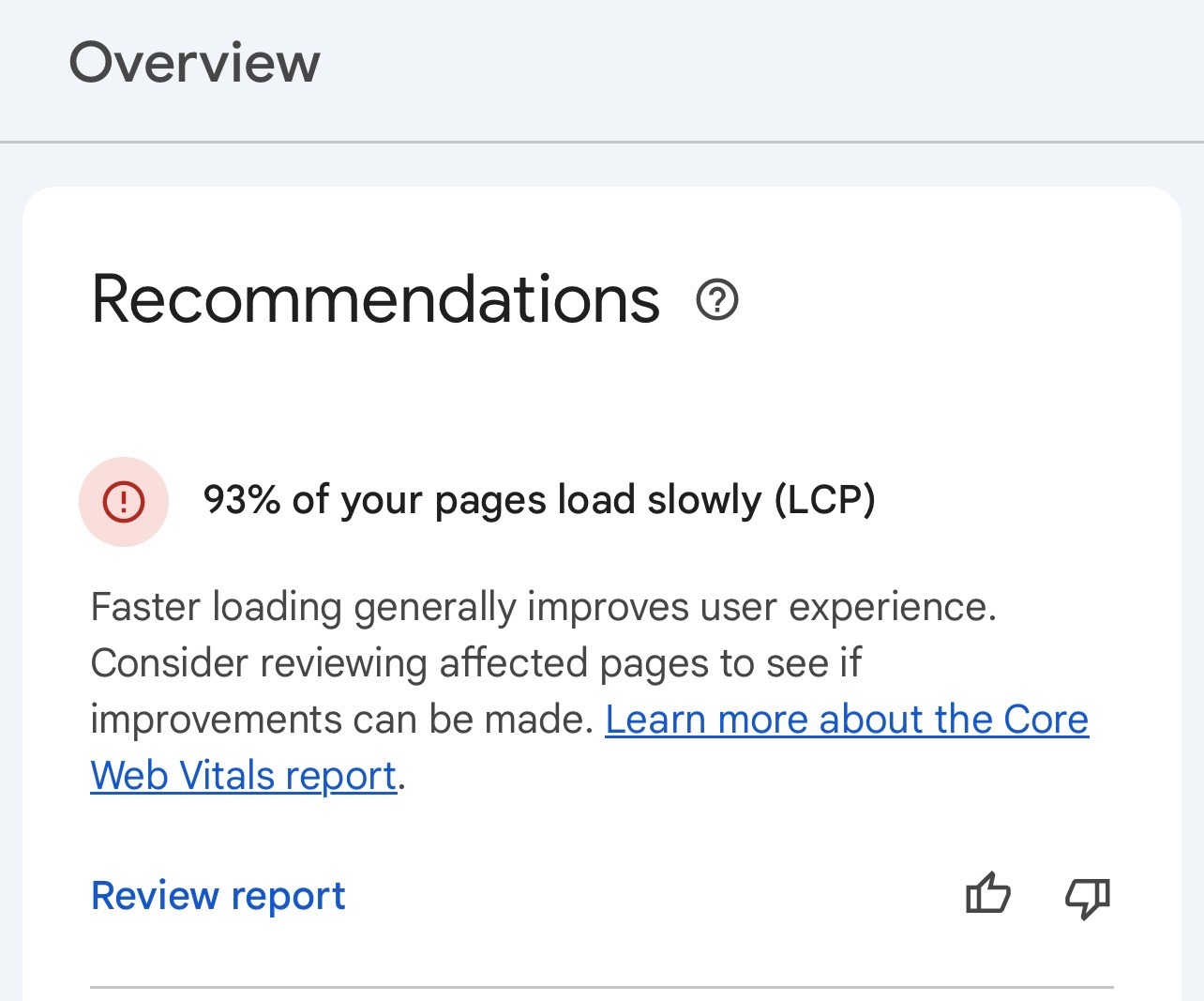
And one more important factor that is second to none: your website speed. If your website’s load time is slow, what I’ve seen lately is that the more content you post, the slower your website becomes, and that is counterproductive for AEO.
You may see hardly any impressions, or no impressive results at all, on your new blog pages, forget clicks. And side by side, your overall clicks will tumble.
Why SEO Alone Is No Longer Enough
Traditional SEO still matters.
Google remains one of the largest discovery platforms in the world, and AI systems often validate information using Google’s index. It still processes around 99,000 searches per second, and 8.5 per day. According to Grocliq, 4.9 billion (roughly) still use Google.
But AI search introduces a deeper layer of evaluation.
AI systems now analyse:
-
How often your brand is mentioned
-
Whether your expertise is trusted
-
How people talk about you online
-
Whether your content appears authentic
-
If your information is consistent everywhere
This means businesses that rely purely on keyword optimisation may slowly lose visibility in AI-generated search experiences.
To compete in this environment, brands need operational consistency. Virtual Assistants play a great role in maintaining the consistency and ensuring that you do what is working or matters.
How a Virtual Assistant Helps You Dominate AI Search
Many businesses assume AI visibility is purely technical.
It is not.
AI search rewards businesses that consistently maintain high-quality information across the internet.
That requires ongoing execution.
A skilled Virtual Assistant can help manage the workflows that directly impact AI discoverability.
Maintaining Consistent Brand Presence
AI systems pull information from multiple sources simultaneously.
These include:
-
Websites
-
Blog articles
-
Social media
-
Reddit discussions
-
Quora answers
-
YouTube videos
-
Reviews
-
Forums
-
Online directories
If your information is inconsistent across platforms, AI systems may struggle to trust your brand confidently.
A Virtual Assistant can maintain:
-
Updated business information
-
Consistent service descriptions
-
Accurate contact details
-
Coordinated messaging
-
Updated FAQs
-
Optimized profiles
Consistency improves trust.
And trust improves AI visibility.
Brand Sentiment Is the New Ranking Factor
One of the biggest changes in AI search is the growing importance of brand sentiment.
AI systems no longer evaluate businesses only through backlinks or keywords.
They analyse public perception.
If discussions around your company consistently include:
-
Negative reviews
-
Poor support experiences
-
Outdated information
-
Confusing messaging
-
Low-quality content
AI systems may become less likely to recommend your business.
Even if your SEO remains strong.
A Virtual Assistant can help monitor and manage sentiment across the web by:
-
Responding to reviews
-
Managing customer feedback
-
Tracking online mentions
-
Monitoring Reddit and Quora conversations
-
Updating outdated content
-
Escalating reputation issues quickly
In AI search, reputation management becomes visibility management.
Generic AI Content Is Becoming Invisible
The internet is rapidly filling with generic AI-generated articles.
Most of them say the same thing.
AI systems are becoming increasingly effective at identifying repetitive, low-value content.
This is why authentic expertise matters more than ever.
Businesses that dominate AI search in 2026 are focusing on:
-
Original insights
-
Human expertise
-
First-party research
-
Real-world case studies
-
Unique perspectives
-
Proprietary data
AI models actively prefer citing unique information that cannot easily be replicated elsewhere.
A Virtual Assistant can support this process by helping content teams:
-
Organize research
-
Collect customer insights
-
Compile industry trends
-
Gather internal data
-
Coordinate interviews
-
Structure content workflows
The more unique your content becomes, the more valuable it becomes to AI systems.
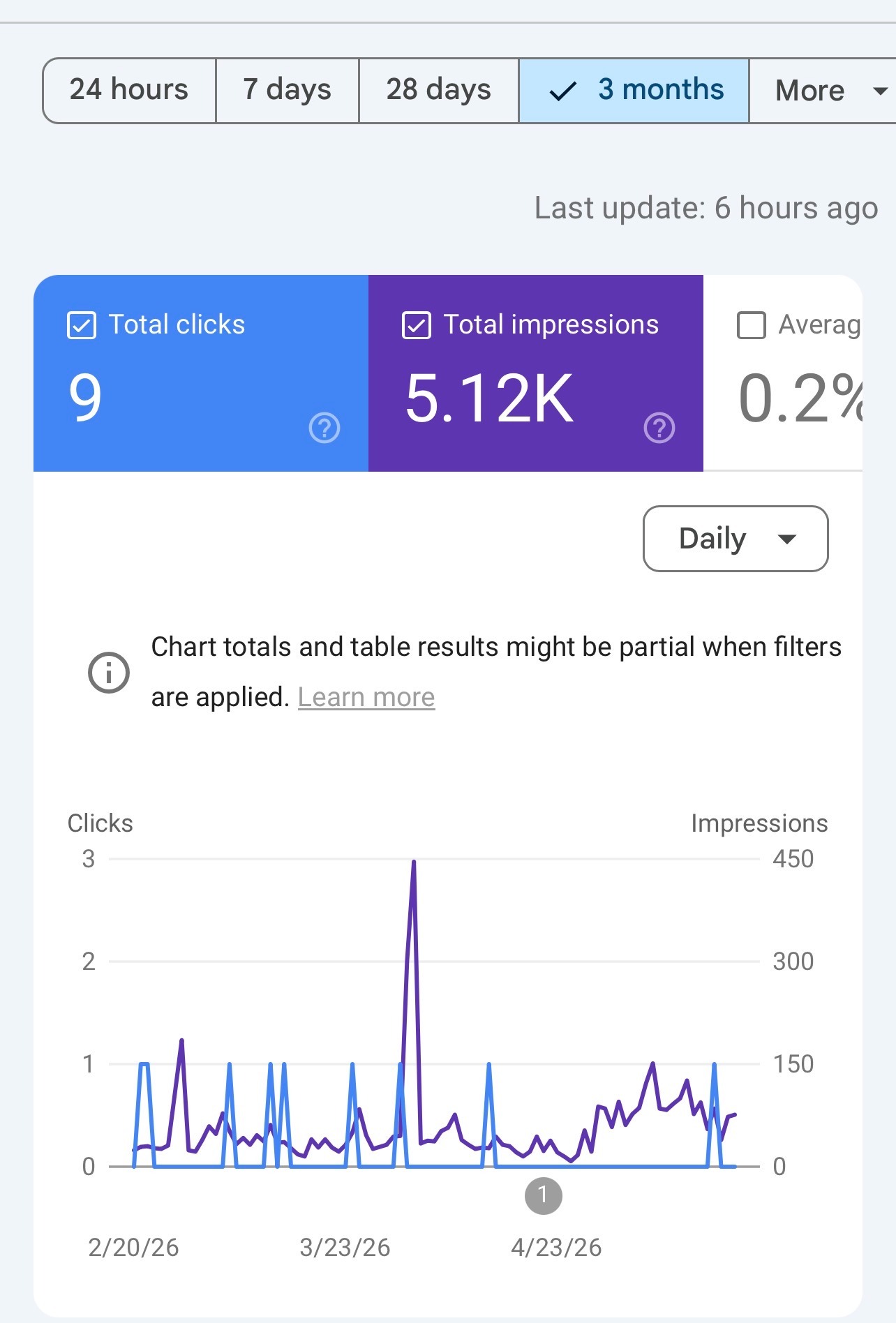
Note: If you notice a less number of clicks, figure out the reasons rather than completely rewriting. At times, your blogs appear for zero-click visitors.
Usually, when people see similar data, they optimise or change the meta title and description; however, the reason can be AI search engines showing your blog content in zero-click searches.
Proprietary Research Is Becoming a Visibility Weapon
One of the strongest AEO strategies today is publishing proprietary research.
Why?
Because AI systems need authoritative sources.
And original data naturally earns citations.
Examples include:
-
Industry surveys
-
Benchmark reports
-
Customer behavior studies
-
Internal analytics reports
-
Case studies
-
Trend analysis
-
Performance breakdowns
Unlike generic content, proprietary research creates information that AI systems must reference directly.
A Virtual Assistant can assist with:
-
Research coordination
-
Data organization
-
Survey management
-
Competitor analysis
-
Report formatting
-
Publishing workflows
-
Outreach support
This creates a compounding effect where your brand becomes increasingly recognised as an authoritative source.
Multimodal Search Is Changing Content Strategy
Search is no longer text-only.
Users increasingly search using:
-
Voice commands
-
Photos
-
Video clips
-
Live camera feeds
-
Visual search tools
This is called multimodal search.
And it means brands must think beyond blogs.
Video, images, transcripts, and visual assets are now critical discoverability components.
A Virtual Assistant can help optimise multimedia content by managing:
-
Video uploads
-
YouTube descriptions
-
Captions and transcripts
-
Image metadata
-
Podcast summaries
-
Short-form repurposing
-
Content libraries
The easier your content is for AI systems to interpret, the greater your visibility becomes.
Agentic AI Will Reshape Buying Decisions
The next phase of AI search is even bigger.
AI systems are evolving into agentic AI.
This means AI will not just answer questions.
It will perform actions.
Soon, AI assistants may:
-
Compare service providers
-
Shortlist vendors
-
Schedule appointments
-
Recommend products
-
Complete purchases automatically
This changes the customer journey entirely.
Businesses must now optimise not only for discovery but for recommendation readiness.
A Virtual Assistant can help structure information AI agents need, including:
-
Service breakdowns
-
Pricing details
-
Testimonials
-
Availability
-
Product comparisons
-
FAQ libraries
-
Structured documentation
Brands that organise information clearly will have a major advantage in AI-driven recommendation systems.
Why Human Oversight Still Matters
Despite massive advances in AI, human oversight remains essential.
Fully automated content systems often create:
-
Inaccurate information
-
Weak brand voice
-
Generic messaging
-
Hallucinated facts
-
Low-quality outputs
Businesses that over-automate risk damaging trust.
The best-performing brands use AI to increase productivity while keeping humans involved in decision-making.
A Virtual Assistant helps create this balance by:
-
Reviewing AI-generated drafts
-
Fact-checking information
-
Maintaining tone consistency
-
Managing editorial workflows
-
Coordinating approvals
-
Organising publishing schedules
The future belongs to businesses that combine AI speed with human judgment.
The New ROI Framework for AI Search
Traditional marketing metrics are changing rapidly.
Website traffic alone is becoming less reliable because users increasingly receive answers directly inside AI systems.
This means brands need new ways to measure visibility.
Important AEO performance indicators include:
-
Share of AI citations
-
Brand mentions across AI platforms
-
Recommendation frequency
-
Sentiment quality
-
Prompt-level visibility
-
Content authority signals
The question is no longer:
“How many clicks did we get?”
The new question is:
“Are AI systems recommending us?”
A Virtual Assistant can help consistently track, organise, and monitor these emerging visibility signals.
Frequently Asked Questions: AEO & Content Marketing in 2026
What is Answer Engine Optimisation (AEO)?
Answer Engine Optimisation (AEO) is the evolution of search strategy designed for AI-powered platforms like ChatGPT, Gemini, and AI assistants.
While traditional SEO focuses on rankings and traffic, AEO focuses on how AI systems interpret, trust, describe, and cite your brand within direct responses.
SEO helps users find your website.
AEO helps AI recommend your business.
Has AEO replaced traditional SEO?
No.
Traditional SEO remains essential because Google still dominates global search and often serves as a validation layer for AI systems.
Core SEO principles remain critical, including:
-
Clear information structure
-
Technical optimization
-
Topical authority
-
Website performance
-
Structured content
AEO extends SEO rather than replacing it.
What is “Agentic AI” and how does it change the customer journey?
Agentic AI refers to AI systems capable of performing actions on behalf of users instead of simply answering questions.
These systems may soon:
-
Compare products
-
Recommend services
-
Book appointments
-
Complete purchases
Users may never visit a business website directly before making a decision.
This means businesses must optimise for AI recommendations, not just website traffic.
How should brands measure the ROI of AEO?
Traditional traffic metrics are becoming less reliable because users increasingly get answers directly inside AI interfaces.
Brands should focus on visibility-based metrics such as:
-
Share of AI citations
-
Recommendation frequency
-
Sentiment in AI responses
-
Prompt-level visibility
-
Brand authority signals
Visibility is becoming the new currency of digital marketing.
Why is proprietary research considered a top citation driver?
AI-generated content is becoming increasingly generic.
First-party research provides unique information that AI systems cannot easily replicate.
This includes:
-
Surveys
-
Reports
-
Benchmark studies
-
Original statistics
-
Case studies
Unique research naturally earns more citations and authority.
Should brands create markdown pages specifically for AI models?
Not currently.
AI systems already interpret HTML effectively.
Instead of duplicating pages in markdown, businesses should focus on:
-
Clean structure
-
Schema markup
-
Readable formatting
-
Fast-loading pages
-
Clear content hierarchy
Quality structure matters more than duplicate formatting.
What are the risks of black-hat AEO tactics?
Low-quality promotional content, manipulative listicles, and spammy AI-generated articles may hurt visibility over time.
AI systems increasingly penalise:
-
Thin content
-
Biased content
-
Repetitive AI articles
-
Fake authority signals
Authenticity and expertise are becoming stronger long-term strategies.
What does “multimodal search” mean?
Multimodal search refers to users searching through:
-
Voice
-
Photos
-
Video
-
Visual recognition
-
Camera-based tools
This means businesses must optimise multimedia assets alongside written content.
Is AI going to replace human content teams?
No.
AI is a productivity tool, not a replacement for human expertise.
Human oversight remains essential for:
-
Accuracy
-
Creativity
-
Brand voice
-
Strategic thinking
-
Editorial quality
The strongest brands combine AI efficiency with human judgment.
Why is brand sentiment more important in 2026?
AI systems evaluate businesses holistically across the web.
They analyse conversations from:
-
Reviews
-
Reddit
-
Quora
-
Social media
-
Forums
-
News articles
If overall sentiment is negative, AI systems may become less likely to recommend your business.
This makes reputation management a major part of an AI visibility strategy.
Conclusion
To make your website and brand visibility strong in the future, your brand has to be trusted enough for AI systems to recommend you directly. Ranking is not enough.
To dominate AI search in 2026, focus on:
-
Authentic expertise
-
Structured information
-
Consistent branding
-
Proprietary research
-
Reputation management
-
Human-guided AI workflows
Build a strong operational system that makes you take care of all the needed things consistently. And nothing can be a better hand than a pool of virtual assistants, including admin folks, content writers, web developers, video editors, and graphic designers
Because in the age of AI search, consistency creates trust. And trust creates visibility.