If you run a supply chain, logistics, or export business, your day probably starts before most people are awake—not out of panic, but out of habit.
You check shipment updates before coffee.
You already know which container is delayed.
Your inbox is full, but not overwhelming—just… constant.
There are tracking sheets to update, documents to file, vendors to follow up with, and clients who want clarity more than anything else. Between calls, emails, portals, and spreadsheets, the work never truly ends—it simply moves from one system to another.
You’re good at this.
You’ve built processes.
You understand how every moving part connects.
But somewhere along the way, you may have noticed that you’re still personally holding too many of those moving parts.
Not because you don’t trust others.
Not because you can’t delegate.
But because it’s always felt easier to just handle it yourself.
That quiet realization—familiar, practical, and judgment-free—is why many supply chain business owners start thinking about Virtual Assistants.
Just to work with a little more ease.
The Nature of Supply Chain Work: Always On, Always Moving
Supply chain businesses don’t operate in neat time blocks.
Shipments move overnight.
Ports work across time zones.
Clients expect updates when their day starts, not yours.
It’s a beautiful kind of complexity—but it means there’s always something to check, confirm, or respond to. Even on calm days, there’s background mental noise:
Did that document go out?
Was the client updated?
Did the warehouse confirm receipt?
This is where Virtual Assistants fit naturally into the ecosystem—not as replacements, but as extensions of your operation.
What Changes When a VA Becomes Part of the Workflow
1. The Small Tasks Stop Living in Your Head
Shipment status updates.
Routine client emails.
Document formatting and filing.
Vendor follow-ups.
Data entry across systems.
None of these tasks are difficult—but they’re persistent. A VA takes ownership of them, which means fewer loose ends floating in your mind throughout the day.
2. Your Day Feels Less Fragmented
Instead of constantly switching between “deep work” and small admin tasks, your focus stays intact longer. You review, decide, and move forward—rather than interrupting yourself every 10 minutes.
Many owners describe this as feeling “lighter,” even though their workload hasn’t technically changed.
3. Clients Experience More Consistency
Clients in logistics don’t just want speed—they want reliability.
When updates go out on time, queries are acknowledged quickly, and information is organized, trust builds quietly. Not dramatically. Just steadily. And in this industry, steady trust compounds.
4. The Business Adjusts More Easily to Volume Swings
Peak season comes.
Then it eases.
Then it comes again.
A VA gives you flexibility without permanent commitments. More support when things are busy, less when they’re not—without restructuring your entire team each time.
5. You Get Mental Space to Think Like an Owner Again
This is the part people don’t talk about enough.
With fewer operational details demanding attention, decisions come from clarity instead of fatigue. Planning feels easier. Conversations feel less rushed. Even time outside work feels more present.
Not because you’re working less—but because you’re working differently.
What Virtual Assistants Commonly Handle in Supply Chain Businesses
Depending on the setup, VAs often support with:
-
Shipment tracking and status updates
-
Client communication and follow-ups
-
Documentation preparation and filing
-
Data entry and report maintenance
-
Vendor coordination and quote tracking
-
CRM updates and email management
-
Inventory logs and basic accounting support
They don’t replace your expertise.
They protect it—by keeping your time focused where it matters most.
Starting Small Is Often the Best Way
Most owners don’t delegate everything at once.
They start with one task.
One recurring responsibility.
One small handoff.
And then they notice the difference—not dramatically, but enough to think:
“Okay… this helps.”
From there, it grows naturally.
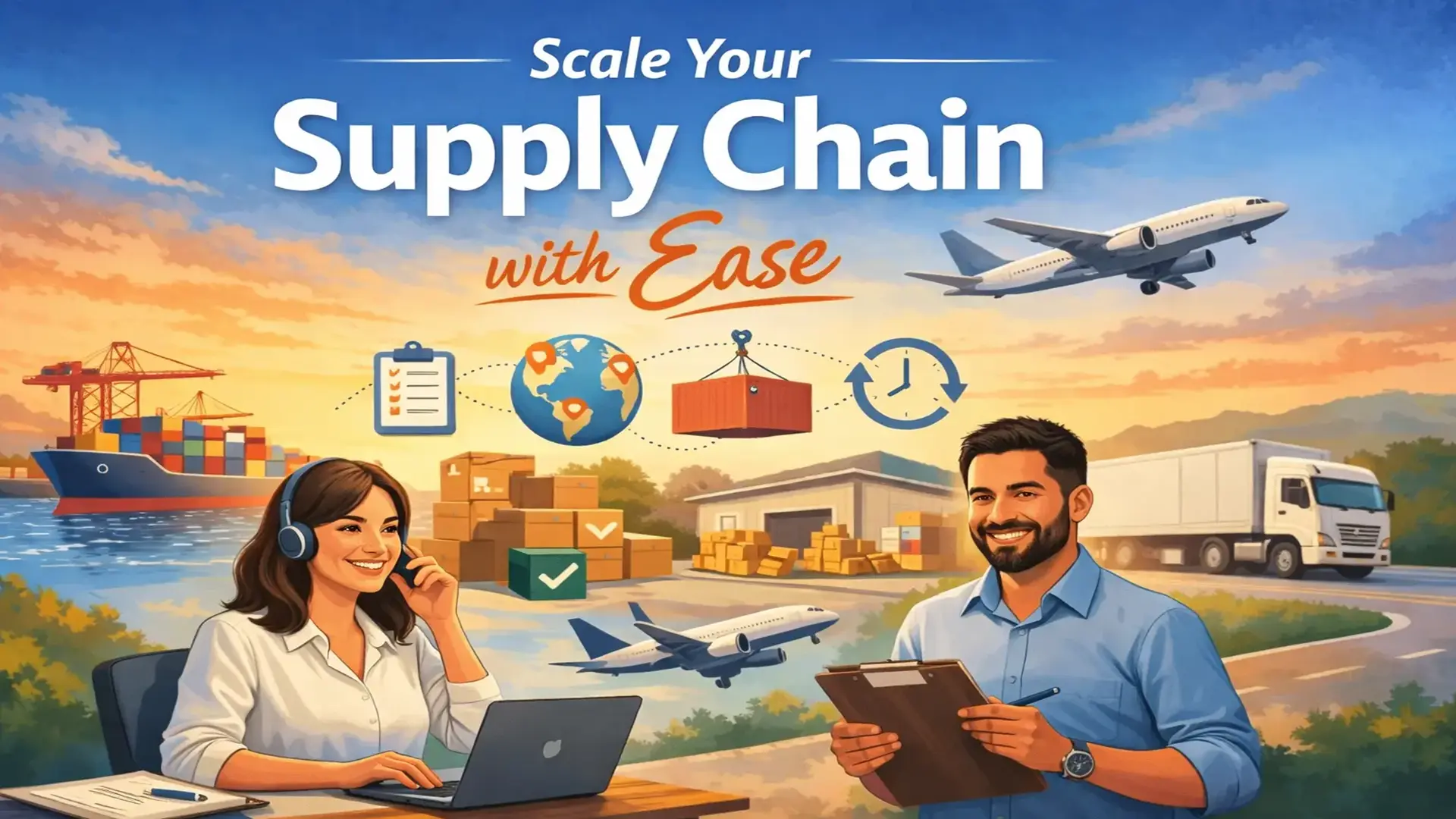
Scale Your Supply Chain with Ease
Choosing a Virtual Assistant isn’t about fixing something broken.
It’s about recognizing that the business you’ve built deserves support—and so do you.
Supply chain work will always be dynamic.
But it doesn’t have to be heavy.
If any part of this felt familiar, you’re not behind. You’re not late. You’re simply at a point where working smarter starts to feel more appealing than doing more.
And that’s a good place to be.