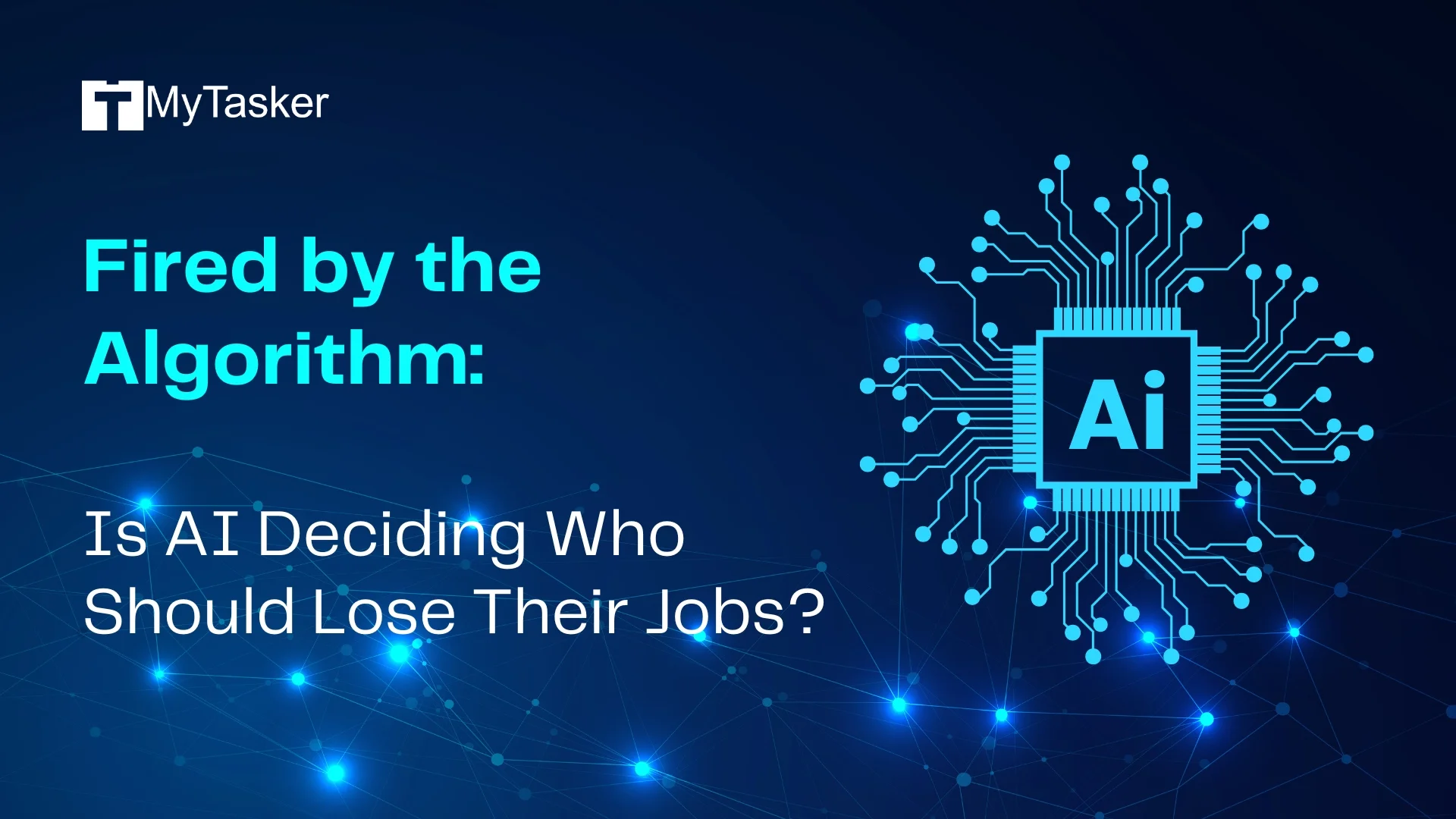
A Microsoft employee working for 25 years woke up on a quiet spring morning and logged into his work email just to find that he had been terminated. No call from the manager, no recognition for his decades of service, no heartfelt conversation, not even a remote HR support. The only reason is that a ‘computer algorithm’ had flagged his role as redundant. Moreover, to make matters even worse, this termination letter reached him on his birthday. This story went viral in no time and has captured global attention and sparked outrage because ‘how can a lifetime of dedication get reduced to just a set of data points with an impersonal digital verdict?’
This story is not just one isolated incident, but holds a deeper meaning. The rise of artificial intelligence and algorithm management might look promising with objectivity, efficiency and also competitive pricing, but the hidden risks cannot be ignored. The rise of AI brings a lack of accountability and erosion of human dignity. Millions of hardworking people have now started wondering, ‘What if their years of hard work and loyalty can be erased just with a click, and if that is so, then what kind of future do they have?’
The amusing part is that we have entered an era where machines are not just supporting human decisions, but are also the decision-makers for humans. There is no HR in between, not even HR outsourcing services to rely upon. So, the main question should be, not whether the AI can manage people, but whether they should be given the power to manage.
The paradox is dignity vs efficiency. While AI offers many tools to streamline operations and help you make data-driven decisions, at the same time, it reduces humans as data points, stripping their work of fairness and empathy. At least, a virtual recruitment assistant might have done a better job rather than an emotionless algorithm. The story of the Microsoft employee is just not an outlier but also a sign of what might be coming in the near future. AI is now determining the fate of workers, and it looks like machines now have the power over humans to fire humans!
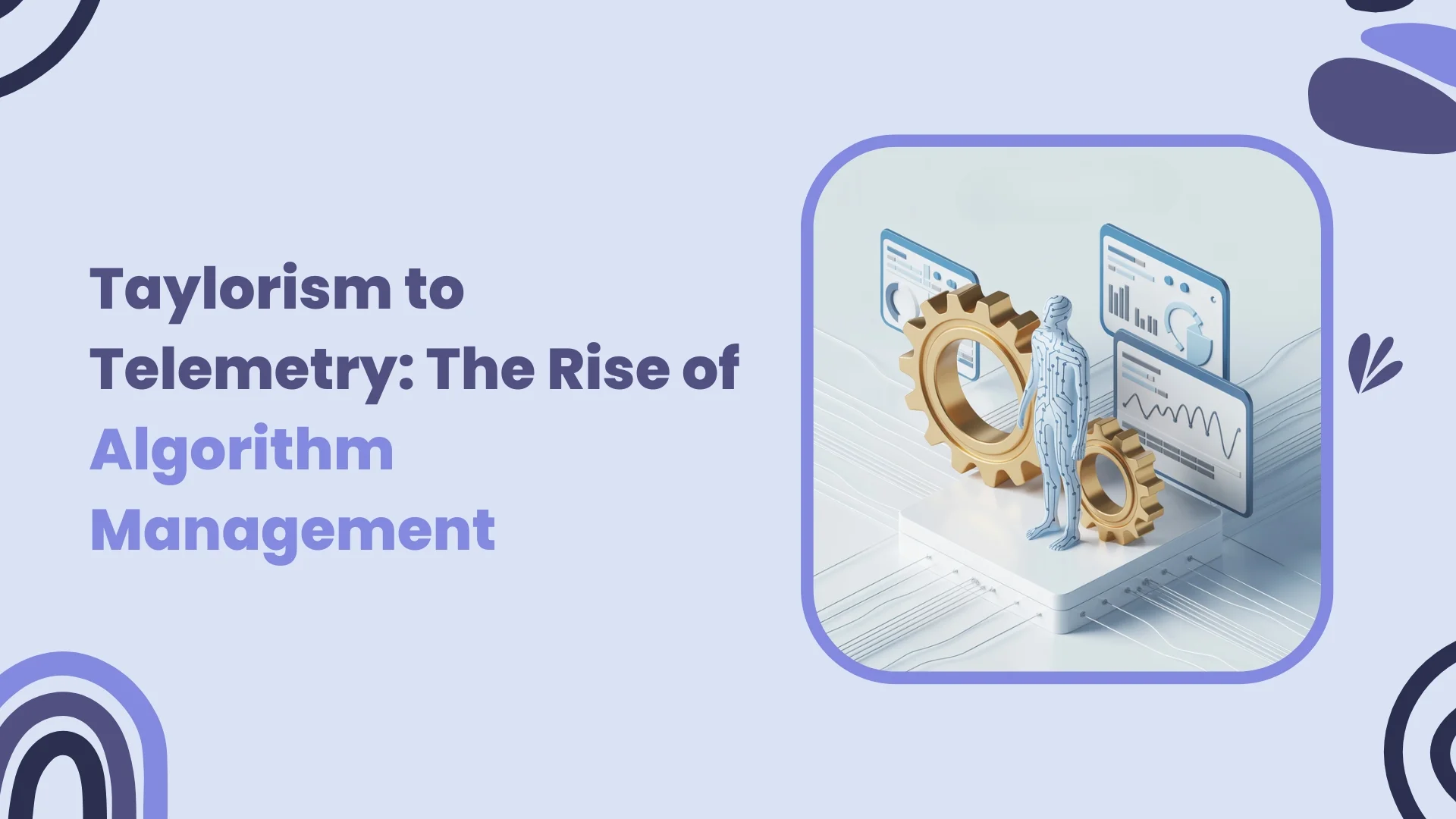
Taylorism to Telemetry: The Rise of Algorithm Management
If you wish to understand algorithm management, you need to look back. In the early years, industrial engineer Frederick Winslow Taylor introduced scientific management. This was a method that improved efficiency as one can closely monitor workers and time their movements and restructure their work, just to ensure maximum productivity. Taylorism came with the promise of turning workplaces into well-oiled machines where every second was accountable and every motion counted.
This approach was dehumanising as workers found that they were treated as machine-like, interchangeable parts of a system that is designed to provide them the maximum output. Managers had stopwatches and clipboards that enforced rigid efficiency. Taylorism lacked empathy and was indeed very controlling for workplaces.
However, in contemporary times, nothing has changed much - in fact, there is a striking parallel, where stopwatches have been replaced by algorithms and instead of managers, the workers are now having algorithms looking into their work through sensors, digital dashboards and real-time analytics. Many scholars have called this ‘Scientific Management 2.0’.
While Taylor relied upon human supervisors, the algorithms rely on software, AI and data streaming, but the control is still there - probably more subtle and persuasive. Workers might not have a boss watching over their shoulders, but there is still a system tracking their activities and analysing their productivity metrics. This is called ‘management by machine’ or ‘invisible management’.
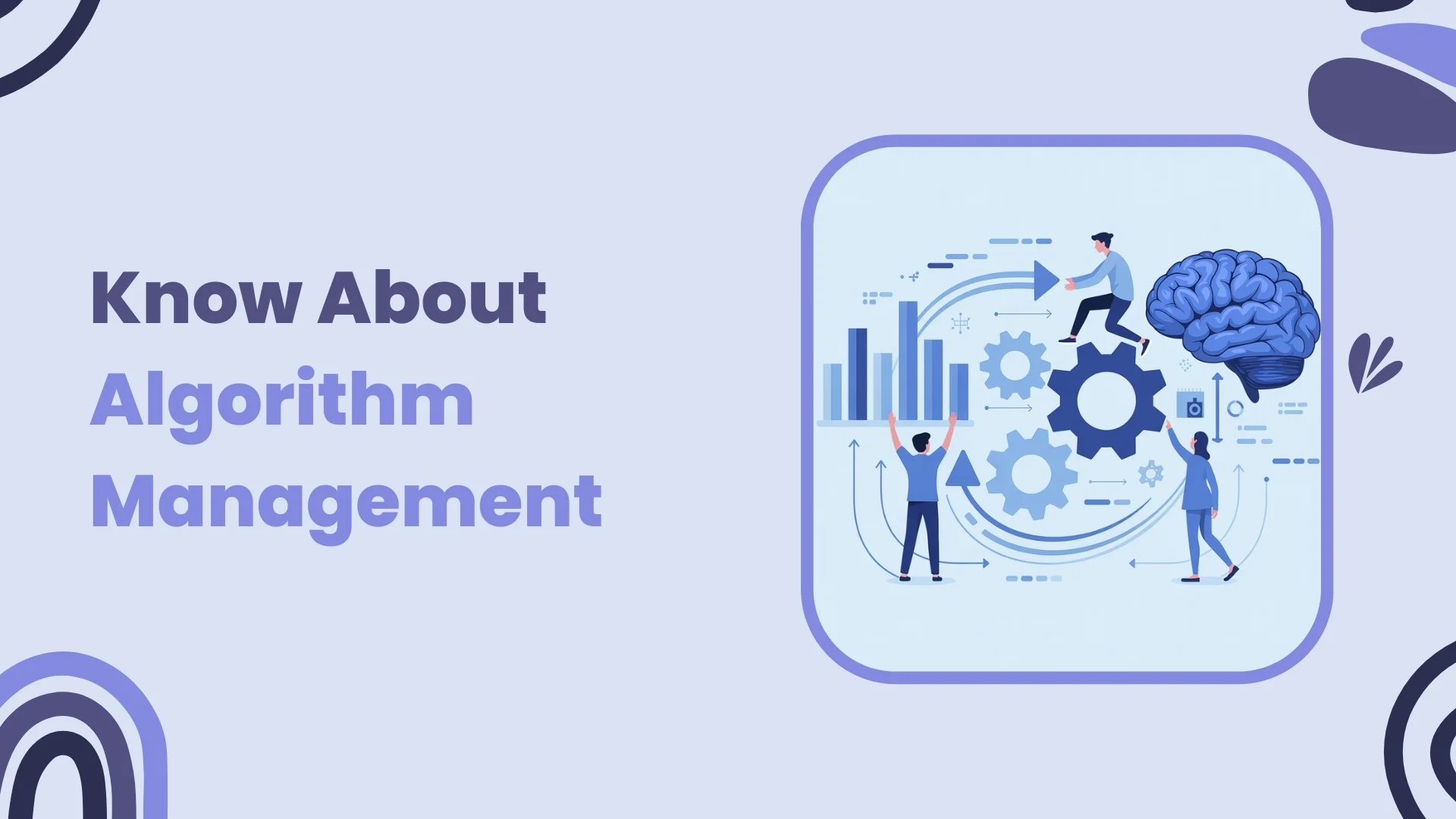
Know About Algorithm Management
AM, or more commonly known as algorithm management, is the use of automated systems and artificial intelligence to evaluate work, monitor and even discipline workers of an organisation. It is a layered framework that collects data, interprets and then works upon that data.
This AM had emerged as a gig platform for Uber and Lyft as drivers coordinated by GPS tracking, customer ratings and dynamic pricing, but now the algorithm is the new manager who assigns rides, determines the pay scale and even suspends the drivers who have low ratings. It’s just an invisible hand that is AI-driven, and workers are receiving automated warnings and sometimes even terminations without any direct human involvement.
As people started working remotely because of the pandemic, companies are not looking for HR administrative support but have turned towards digital tools for monitoring work and measuring productivity. While this does support accountability and performance, some workers perceive this as invasive surveillance. The tools that optimise workflows are now instruments for micromanagement.
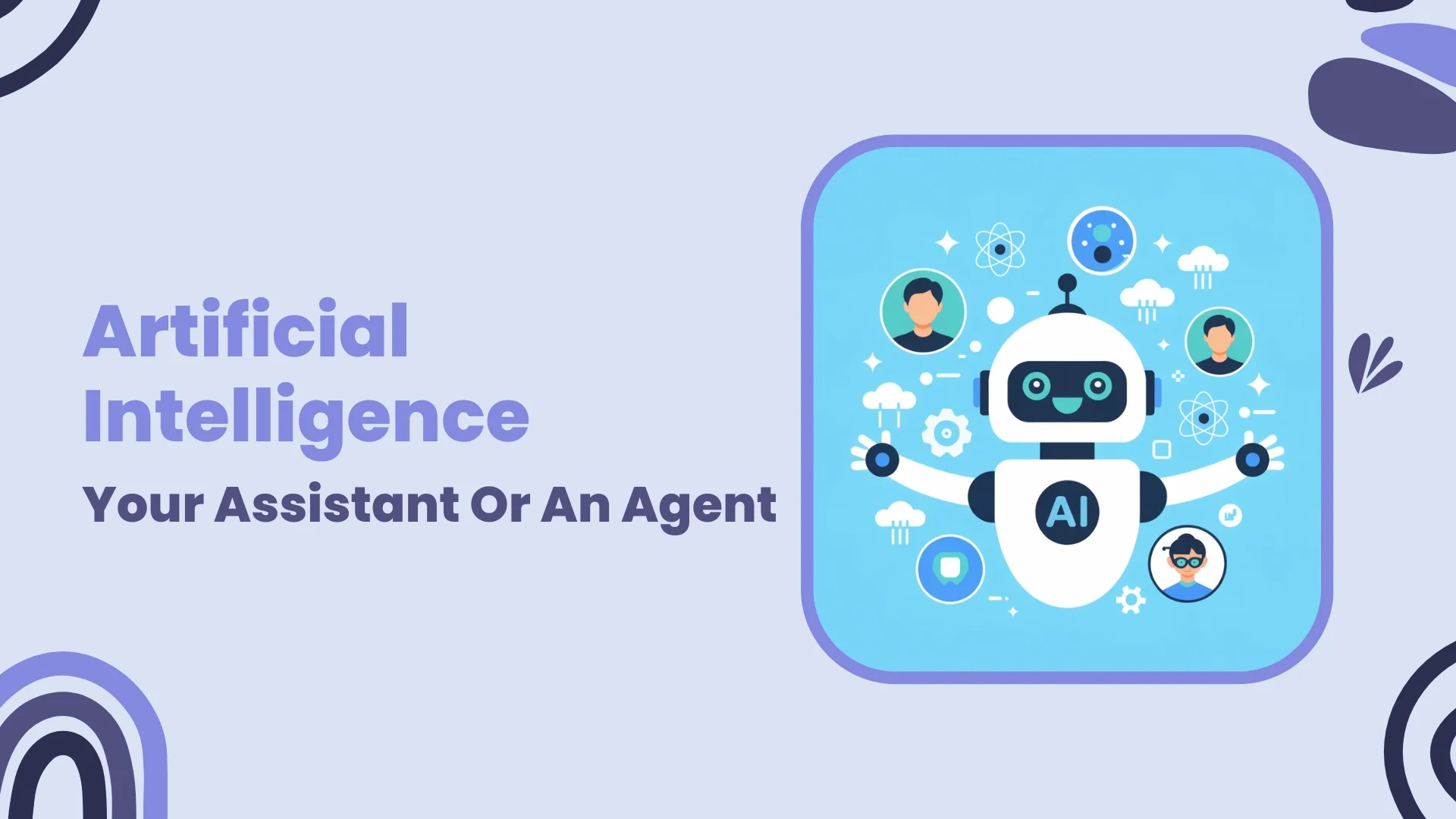
AI - Your Assistant Or An Agent
Not all algorithm management works the same. You can distinguish them as an AI assistant or an AI agent.
| Aspect | AI as Assistant (Human-in-the-Loop) | AI as Agent (Autonomous Decision-Maker) |
| Role | Supportive tool that aids managers. | A fully autonomous system that takes direct actions. |
| Function | Analyses datasets, gives insights, and recommends. | Executes decisions with just no human oversight. |
| Decision Authority | Final authority rests with a human manager. | Machines now make the decisions - not a human! |
| Example | Flags potential burnout risk like late-night emails, declining productivity, and a human manager makes the final call. | Automatically sends termination notices to employees flagged as underperforming. |
| Impact on Management | Makes decisions with empathy, context, or accountability. | Outsourced judgment and accountability, potentially dehumanising sensitive decisions. |
While an AI as an assistant is fair, transparent and efficient. AI as an agent lacks empathy and moral judgment.
Companies Are Embracing Artificial Intelligence
While algorithm management is sparking a lot of anxiety amongst workers, companies are adopting them rapidly because the business case is compelling!
They offer productivity, are competitively priced and are a solution for a lot of challenges. With labour shortage, economic uncertainty and high work pressure, AI offers efficiency that is too attractive to resist.
Cost Savings And Efficiency
Did you know 50% of worldwide organisations have integrated AI tools into their HR departments in the year 2024 and the adoption is expected to grow by 15-20% annually over the next 5 years? As per Zalaris study organisations that are using AI in HR are saving 20-40% reduction in admin costs. AI-powered management systems like Betterworks and others reduce manual efforts by 60% thereby freeing managers to focus on leadership and not mere paperwork.
Companies understand the language of numbers and IBM had already announced in the year 2024 that they plan to replace 30% back-office roles (around 7,800 jobs) with AI in the coming 5 years. Although controversial, this move by IBM is expected to save millions that go in operational expenses.
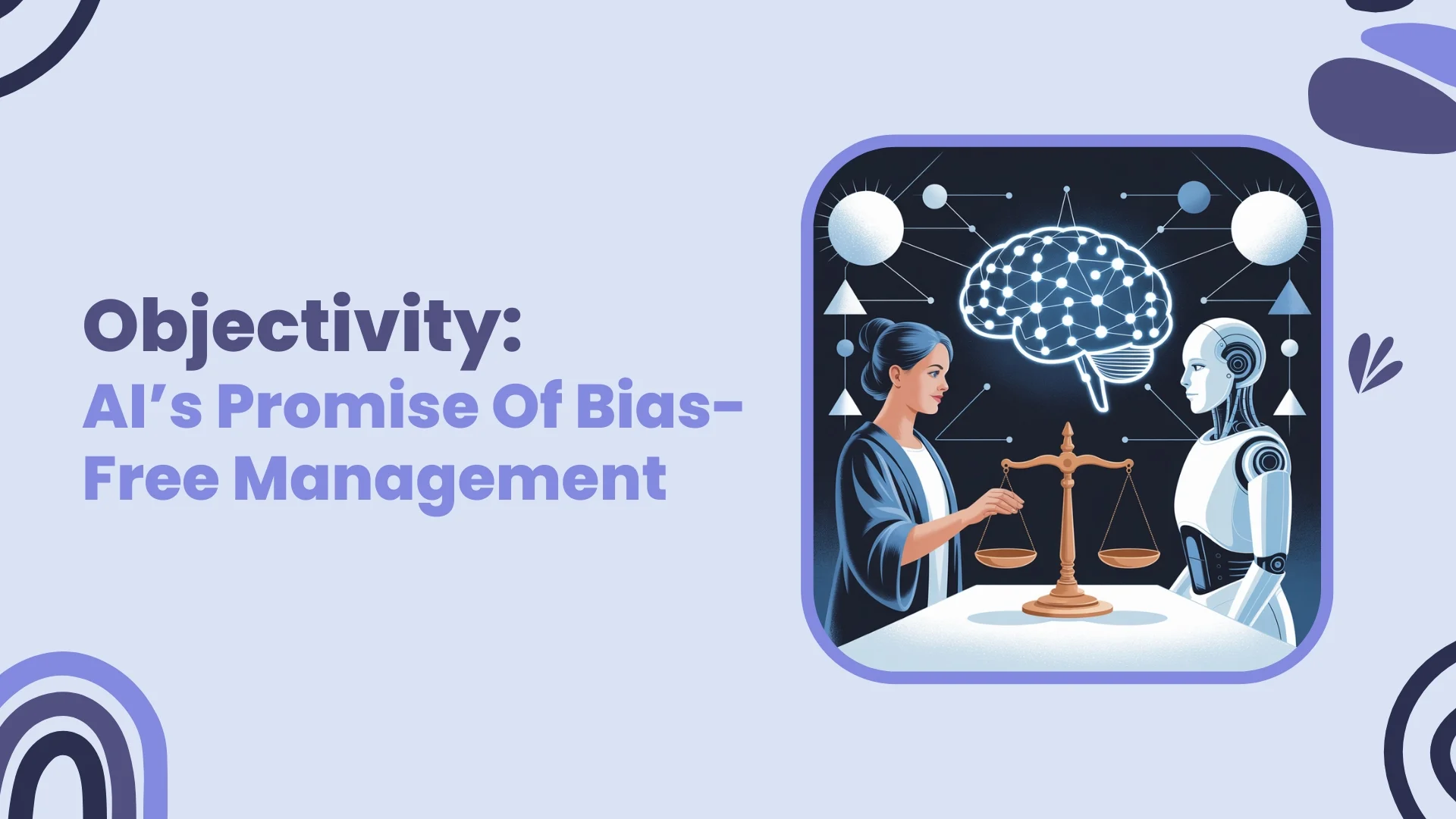
Objectivity: AI’s Promise Of Bias-Free Management
Human managers are generally inconsistent and biased, which means performance reviews can be affected. Many employees complain that evaluations are sometimes unfair due to favoritism. Algorithms on the other hand offer a fairer performance review and can reduce the bias by 50%. Many employees prefer AI-generated feedback as they are more impartial. While this promise of fairness depends on the quality of data, in this case, AI is appealing to both employees and employers alike.
- As per Deloitte study, AI offers continuous feedback to organisations and this resulted in increase in overall productivity and they were more likely to retain employees than their competitors.
- As per Accenture, there was a sharp increase in employee engagement when workers received actionable feedback on a timely basis powered by AI.
However, while these features of AI offer cost cutting, automation of tasks and better decision-making, it dehumanises work and employees might feel reduced to just numbers and scores. The paradox is efficiency vs humanity!
This business case might look great on paper, but in practice it can stage a conflict between employee rights and demand of organisation.
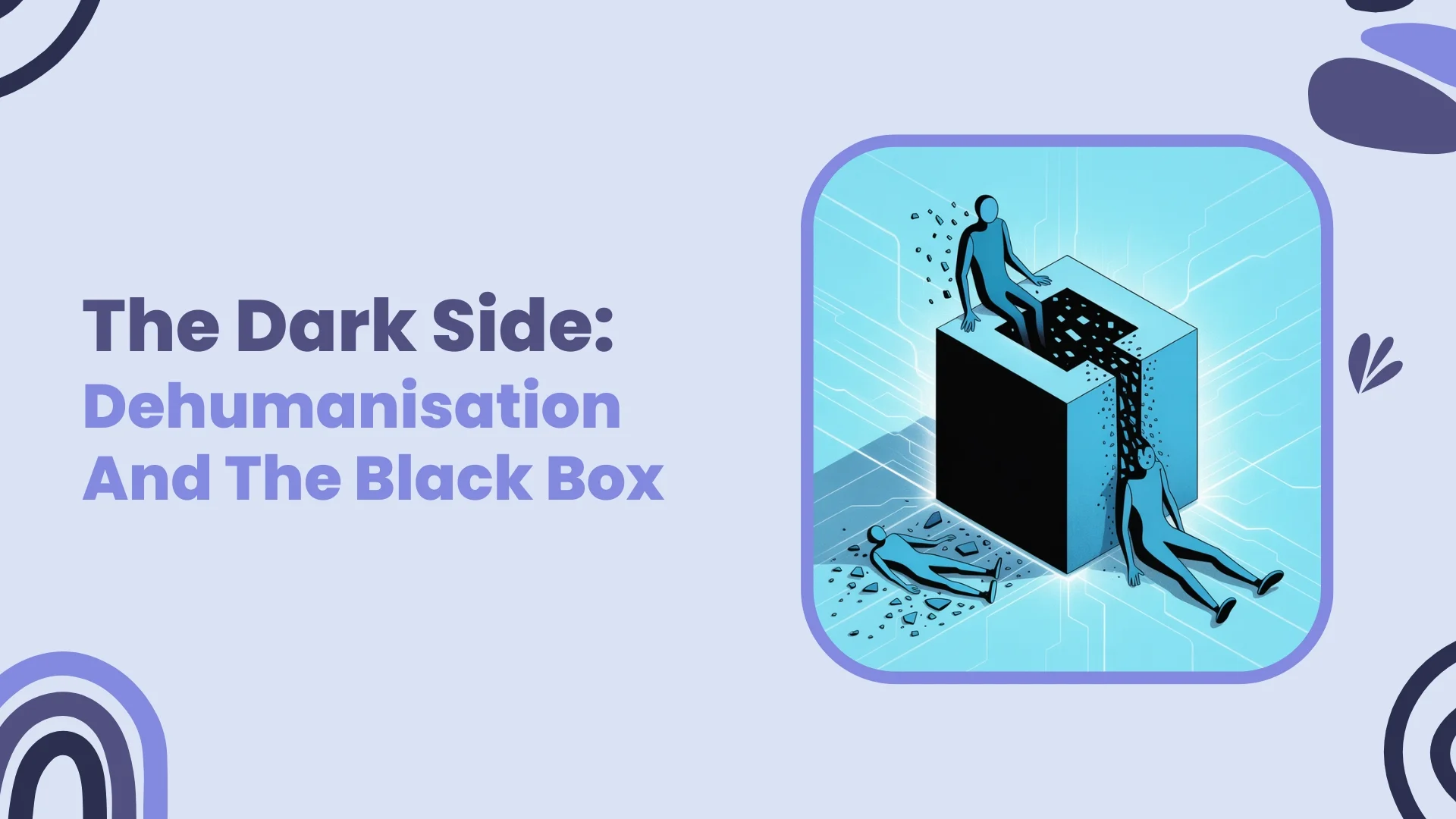
The Dark Side: Dehumanisation And The Black Box
AI has a dark side too and the consequences sometimes erupt scandals, lawsuits and at times viral news. Ye, algorithms can strip work dignity, replicate bias and create opaque systems as accountability disappears.
Algorithms Inherit Prejudice
While algorithms do not get emotional, tired or play favorites - they are fed human data and if that data reflects discrimination, then instead of correcting, the algorithm scales it.
Case Studies:
- Amazon's recruiting tool was thought to be better than a virtual HR assistant, but it was a blunder. The tool attempted to automate hiring with AI training from the engineering department. As the tech workforce was predominately made, AI learned that male was correlated with being qualified and penalised and downgraded female resumes! What was meant to be an unbiased system became industrial-scale machine discrimination.
- In the USA, a plaintiff over 40 sued Workday as the AI screening tool discriminated against older, black and disabled jobseekers. The Northern District of California allowed the case to proceed as the algorithm bias was a legal landmine and not just an ethical issue.
- iTutorGroup, an online education company rejected over 200 applications from USA based tutors as they were older than 55. The prejudice coded into the software was ruthlessly operating and screening out candidates with no human review. We definitely think that hiring HR outsourcing services would definitely have kept the company out of the legal mess.
Who Is Responsible And Accountable? The Void
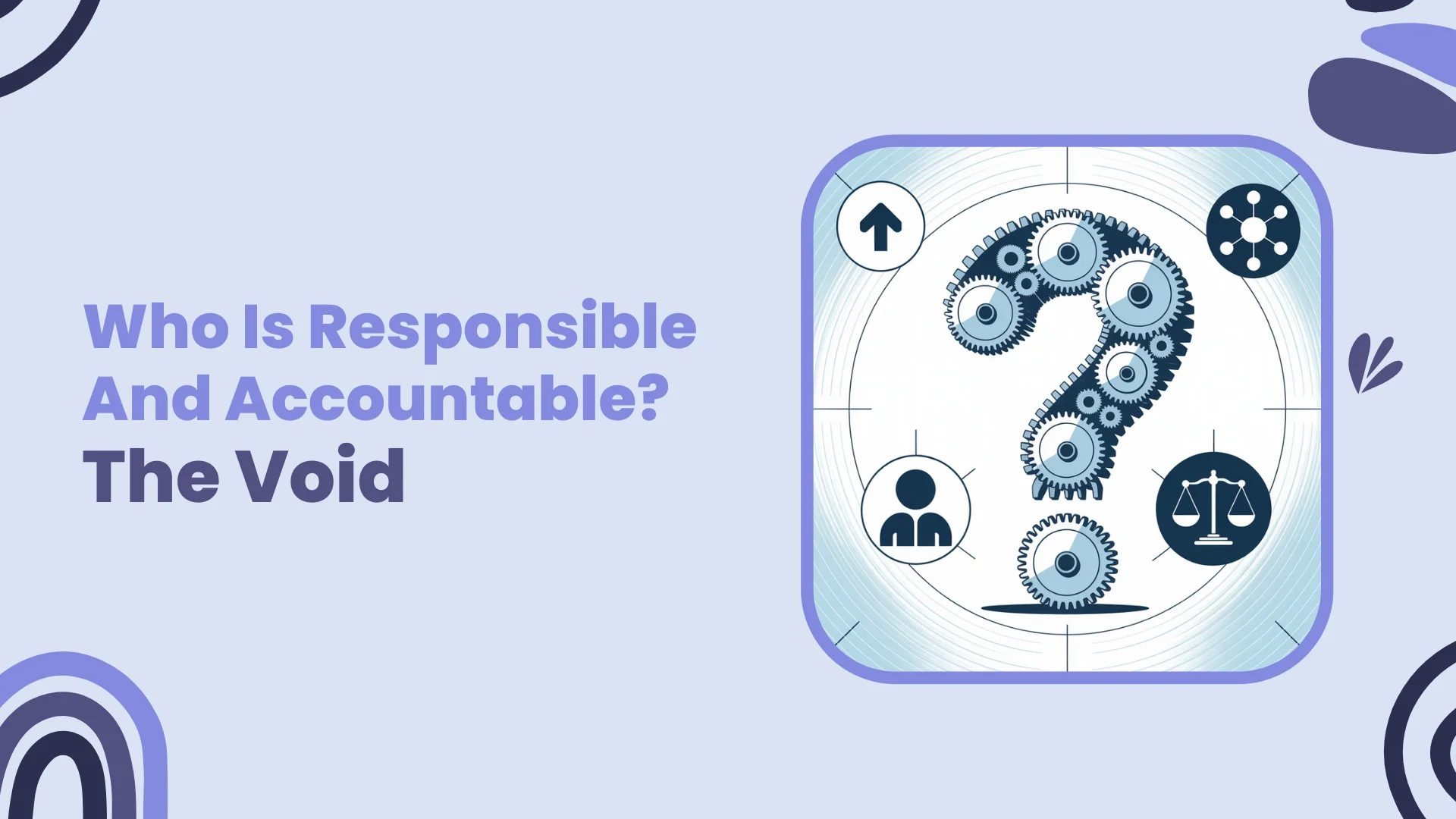
Another big concern is ‘the black box problem’, as the complex algorithms with deep learning models often provide outputs that cannot be explained. For example, a resume goes in and gets rejected while coming out and the reason remains a mystery - this is called the black-box problem.
There is an accountability vacuum as if a worker is terminated, who would be held responsible, the HR team, the executives who brought it or the vendor? Legally, the USA courts have ruled that algorithms act as agents of employers and that implies the company is liable for such unfairness, but in reality, if such decisions are made by an AI (opaque system), the blame gets deflected as workers have no clear avenues for appeal. With a virtual recruitment assistant, both the jobseeker and the company will have someone liable for any kind of prejudice.
The Psychological Toll
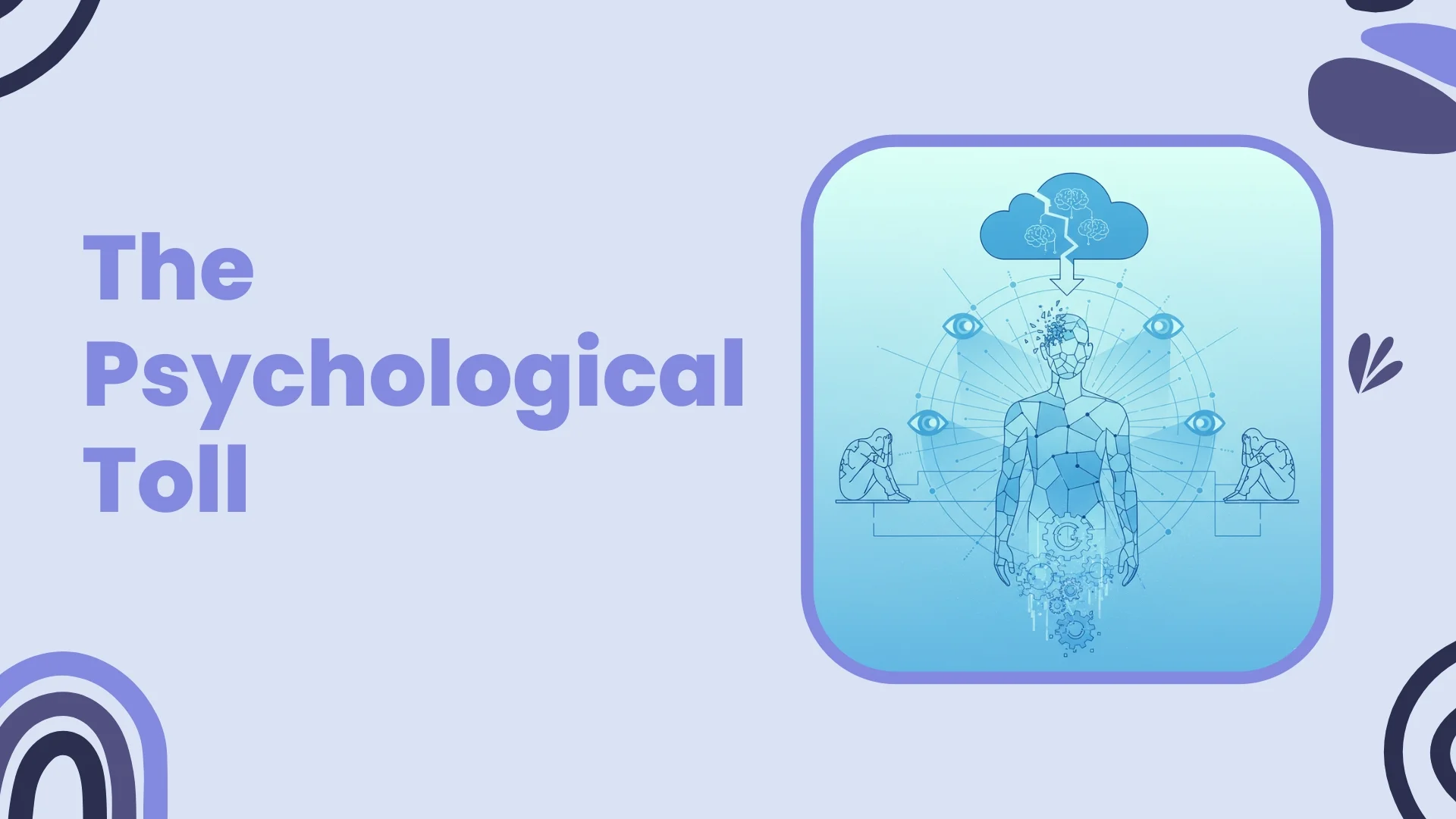
This algorithm management is not a legal or even a technical issue, it is a human one.
Research suggests that:
- The American Psychological Association found that workers under AI surveillance were 1.5 times more likely to report depression, burnout, and disengagement.
- A study from Cornell University found that workers who were surveyed algorithmically actually performed worse than those managed by humans - even when the feedback from the managers were identical. The perception of being surveilled by a machine led to other-regarding hopelessness - reducing motivation and increasing resistant behaviours.
- Sociologists will tell you that Goodhart's Law applies here. Once a measure has become a target, it then ceases to be a good measure. Under the pressure of algorithmically defined metrics, workers tend to take measured risks, where they will often focus on "playing the system" more than delivering meaningful work or performance.
The outcomes of performance metrics / oversight are frequently counter-productive. Instead of fostering trust and performance, continuous monitoring leads to anxiety, frustration or resentment, and loss of creativity.
The dark side is not only about flawed tech, but deeper tensions on how workers are valued and how organisations prioritize efficiency over other things like trust, loyalty and creativity - that actually ensures long-term success.
Legal Labyrinth: How The Government Responds
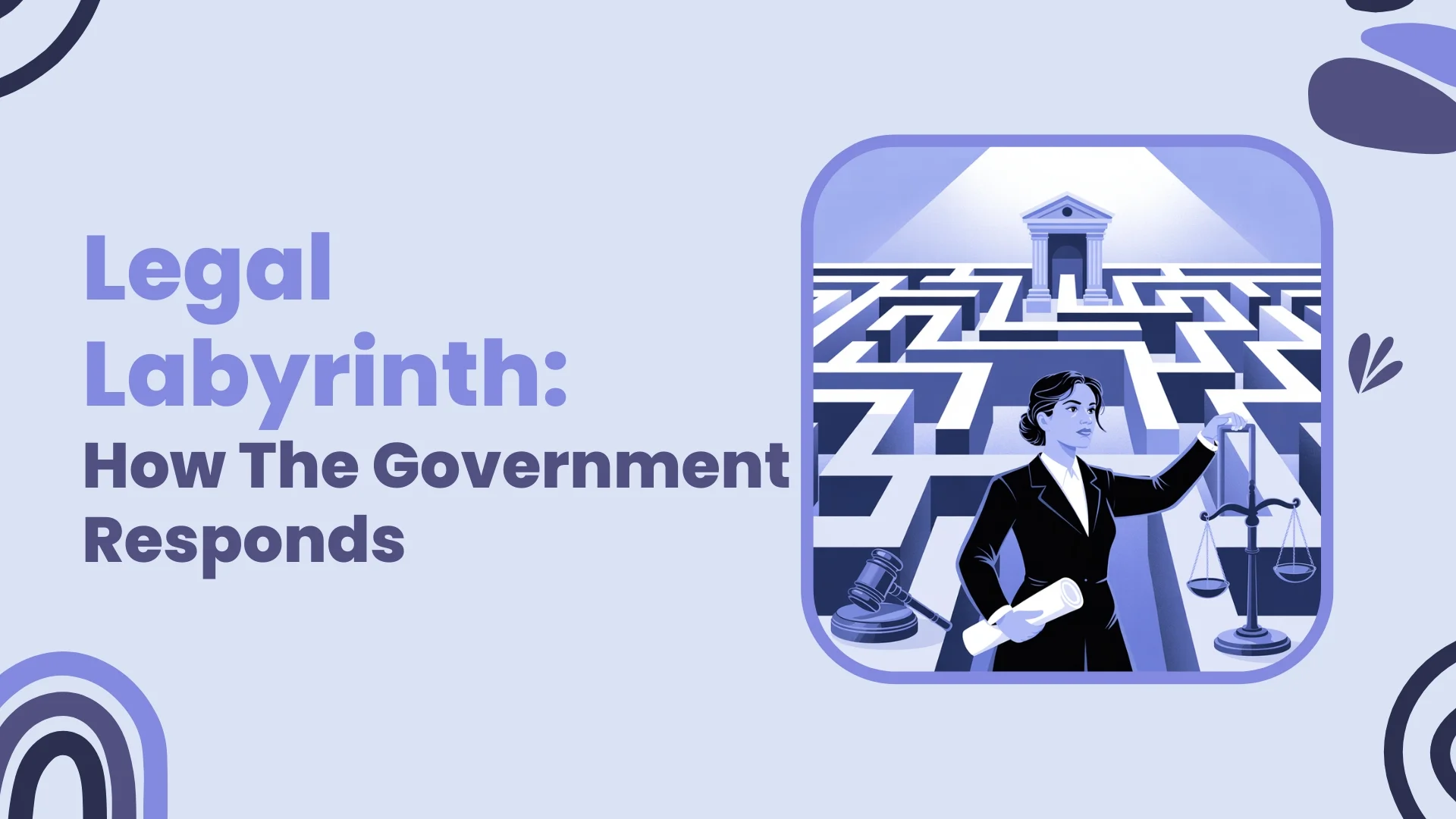
Governments are now trying to grapple with how to harness the power of AI and its efficiency while protecting the rights of the workers and ensuring fair treatment. As the global legal landscape is uneven, companies operating across borders are looking at legal labyrinths which are a mix of regulations that might be difficult to navigate but impossible to ignore.
USA: Patchwork Of Laws
The existing anti-discrimination laws are:
- Title VII of the Civil Rights Act is a law that prohibits discrimination.
- The Age Discrimination in Employment Act also known as (ADEA) - it helps to protect employees and workers who are over the age of 40
- The Americans with Disabilities Act, also known as (ADA) helps to cover individuals who have disabilities
The Workday litigation (2025) illustrates this risk. The California court allowed the case to proceed as a nationwide class action, which signaled to all employers in each jurisdiction that AI, or any other employment tool that adopts algorithmic decision-making, is not an exception to a state or the federal discrimination laws. Having one flawed algorithm could bring a single employer huge liability.
New York city’s local law 144 forbids employers from using automated employment decision tools (AEDTs) unless an independent auditor evaluates the AEDT for bias. California and Colorado have also passed laws mandating firms to disclose details about the data utilized to train AI systems and to establish formal risk management strategies for AI implementation
European Union
The impositions of GDPR (The General Data Protection Regulation)
- Require a lawful basis such as consent to process any personal info
- Candidates have the right to get out of purely automated decisions and request human reviewing
- Employers need to inform the candidates when AI is used to hire or for performance management
EU Artificial Intelligence Act
- Has a risk-based framework: Systems are classified from minimal risk to unacceptable risk.
- High risk systems used in employing or worker management should undergo rigorous assessments for conformity before they are deployed.
- AI providers should offer compliance via monitoring, documentation and independent oversight.
- The public can file complaints if rights are violated.
The Artificial Intelligence and Data Act better known as (AIDA) in Canada needs companies to understand and assess the risk factor. They also need to maintain compliance docs for ‘highimpact’ AI systems.
Post Brexit, the UK has an innovation-friendly approach for algorithm management tools with emphasis on transparency.
China has guidelines on algorithm systems to prevent harmful outcomes in gig platforms, and India lacks labour-specific regulation and is still exploring AI ethics framework.
Human-In-The-Loop
AI in the workplace is not about replacing people, it is a means to empower people. The Human-in-the-Loop approach reframes AI as a trusted partner rather than an absent judge. The machines can do the heavy lifting of data and humans can serve the ethical and empathetic role of providing context and judgment.
It envisions a kind of work where managers feel supported by algorithms, not threatened by them.
Audits And Governance
Accountability comes from a strong governance framework. This involves an active approach, including:
- Ongoing testing to discover and resolve biases prior to and after deploying, rather than patching things up after the harm is done.
- Cross-functional ethics review boards that include HR, legal, IT, and employee groups can provide oversight and help establish and monitor ethical standards.
- There should be no retaliation against employees who question or would like to appeal an AI-related decision and in which employees can voice deep concerns without extending their wrath.
Upskilling And Training For An AI-Augmented Workplace
- AI literacy programs where employees are taught what algorithms can and cannot do.
- Managers are taught critical thinking skills to use AI outputs as recommendations and not gospel truths.
- Emotional intelligence is taught for reinforcing human strengths like empathy, judgement and communication.
The future should not be AI vs human, but machines working with humans to ensure greater efficiency.
Choose Humanity In The Age Of Algorithms
We began with the story about a loyal Microsoft employee being laid off by an algorithm on his birthday. However, while this raises faer and anxieties, we should understand that AI offers unprecedented advantages to companies like streamlining processes, cost cutting and data-driven objectivity. But, when an algorithm functions recklessly, the AI tool can amplify bias and take away human elements.
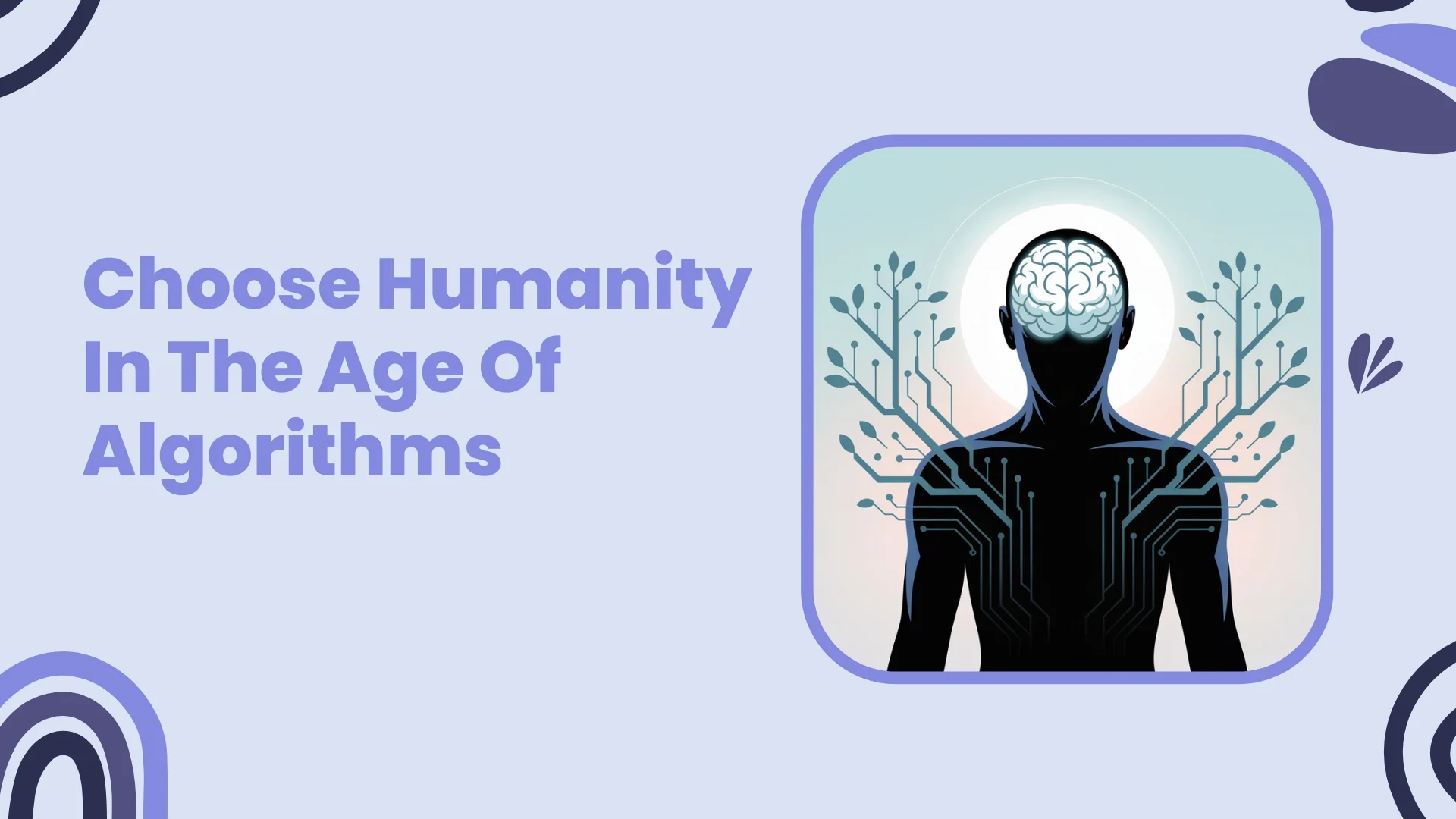
By embracing human-in-the-loop models, like having HR administrative support, we can harness the power of AI and make it less harmful. The dystopian vision of workers managed, monitored, and dismissed by unfeeling algorithms is not some eventuality. It is a choice. And like all of our choices, it reflects our values. WE should balance innovation with humanity, data with context, efficiency with equity. The main opportunity is to create workplaces where technology accentuates human potential instead of detracting from it.
The machines are not writing our future--we are.
Balancing employee dignity with efficiency needs more than just an algorithm. It needs a people-first approach and that’s where virtual HR assistant services steps in.
The Amazon, Workday and Microsoft stories signify the need for HR administrative support. We provide remote HR support customized to meet your business goals.
From streamlining onboarding to employee engagement, we handle HR duties with ease/ our HR outsourcing services come at a fraction of the cost of hiring an in-house HR team.
Now simplify virtual recruitment assistants and reduce risks with our HR compliance assistance services. With MyTasker’s HR outsourcing solutions, you attract and retain talent while ensuring your employees stay motivated focusing on growing your business and keeping the client happy.