Vetting an outbound call centre isn't really about finding the lowest cost-per-call. It's about protecting your organization from a costly TCPA complaint and preventing the slow bleed of donor churn that comes from a bad calling experience. The right partner treats compliance as a baseline, not a selling point — and treats donor psychology as a discipline, not an afterthought.
Here's the part most vendors won't lead with: hiring an outbound call centre doesn't transfer your legal liability to them. Under vicarious liability principles that courts have applied repeatedly in TCPA litigation, if your call centre partner violates consent or Do Not Call rules on your behalf, your organization's name can end up on the lawsuit — not just theirs. That single fact should change how seriously you vet this decision.
Quick answer: The best outbound call centre partners for fundraising combine strong compliance practices (TCPA, Do Not Call, and consent management), verified caller ID authentication that keeps calls from being flagged as spam, trained and empathetic agents, transparent reporting, and pricing models that align their incentives with your fundraising goals — not just call volume.
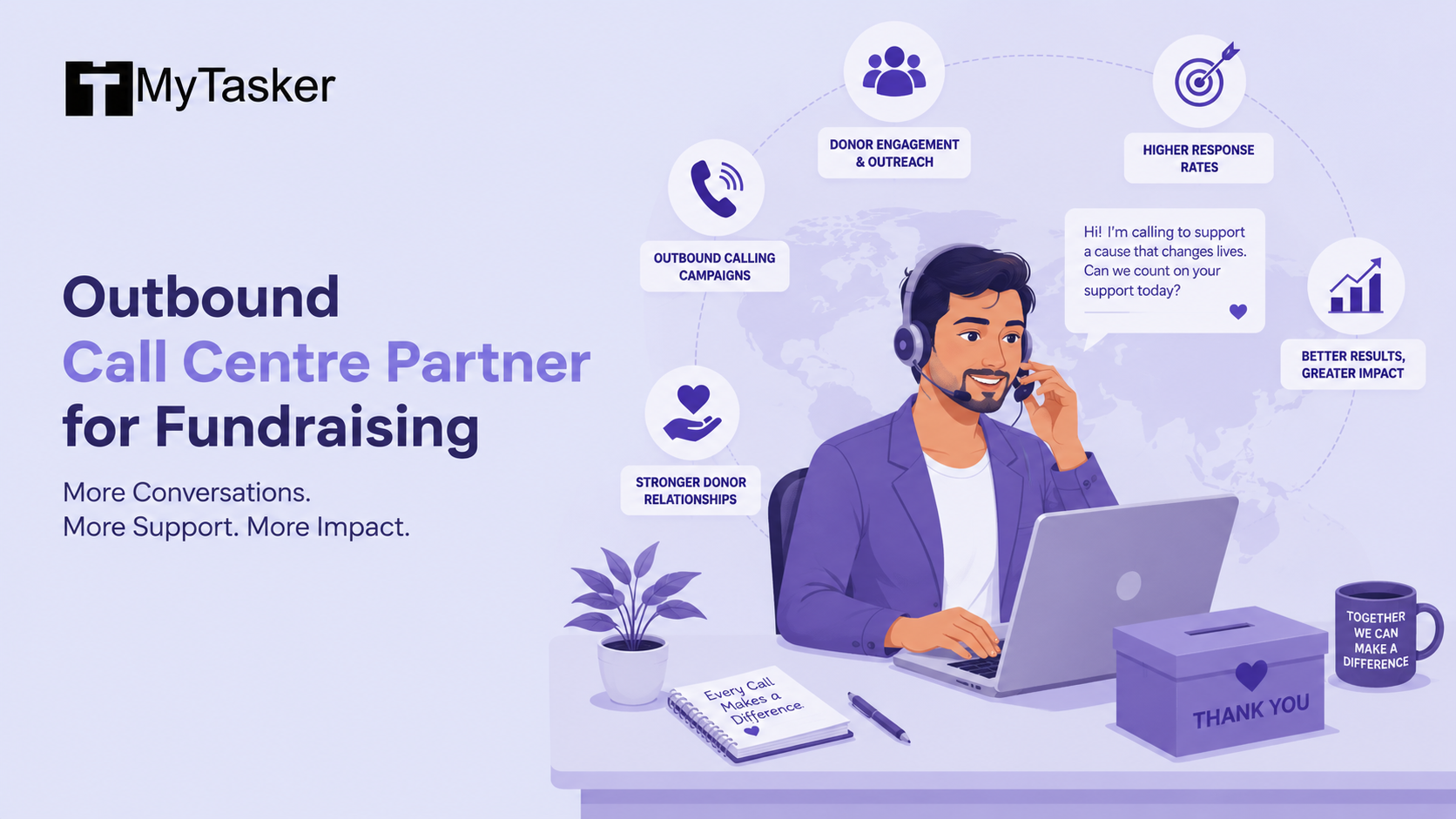
Outbound fundraising calls are one of the most effective ways nonprofits reach lapsed donors, renew pledges, and convert one-time gifts into recurring support. But they're also one of the most heavily regulated and reputation-sensitive channels a charity can use. The wrong call centre partner can generate complaints, compliance risk, and donor attrition. The right one can become one of your most reliable revenue channels.
This guide walks through exactly what to evaluate before signing a contract, plus answers to the questions nonprofits ask most when vetting outbound call centre partners.
Why the Right Partner Matters More in Fundraising Than in Sales
Donation calls carry a different weight than a typical sales call. Donors are giving because they trust an organization's mission — and a single bad call experience can damage that trust permanently, not just cost you one gift. At the same time, fundraising calling sits inside a genuinely complex regulatory environment:
- Tax-exempt nonprofits calling solely to solicit charitable donations get meaningful exemptions from the National Do Not Call Registry and parts of the Telemarketing Sales Rule — but those exemptions don't automatically extend to third-party telemarketers or mixed-purpose campaigns.
- The Telephone Consumer Protection Act (TCPA) still applies to autodialed and prerecorded calls to mobile numbers, and the FCC's one-to-one consent rule (effective April 2026) now requires consent to be tied to a specific caller rather than covered by a blanket agreement.
- An increasingly complex patchwork of state-level "mini-TCPA" laws layers additional, stricter requirements on top of federal rules in many states.
This is precisely why the partner you choose matters as much as the script they read. Below are the areas worth scrutinizing before you sign.
1. Compliance Expertise Specific to Nonprofit Fundraising
Not every call centre understands the nuances of nonprofit exemptions versus commercial telemarketing rules. Ask potential partners directly:
- Do they understand which of your campaigns qualify for the nonprofit TSR/DNC exemption, and which don't (for example, commercial co-ventures or campaigns involving a for-profit partner)?
- How do they manage TCPA consent, especially under the new one-to-one consent requirements?
- Do they maintain and honor an internal Do Not Call list, and can they process opt-out requests within the required window?
- What's their process for state-level mini-TCPA rules if you're calling donors across multiple states?
A partner who can answer these clearly — and who documents their compliance process rather than gesturing at it — is worth significantly more than one offering the lowest per-call rate.
The B.S. Detector: If a vendor tells you, "Don't worry, nonprofits are exempt from Do Not Call rules, so we can dial whoever we want," that's your cue to walk away. The exemption is real but narrow — it covers your organization's own charitable solicitation calls, not blanket permission for a third-party telemarketer to ignore consent and opt-out obligations. A partner worth hiring will instead say something closer to: "You have exemptions for your own solicitation, but as your third-party vendor we still scrub against your internal opt-out list daily and document consent for every autodialed number." If they can't articulate that distinction unprompted, assume they don't fully understand it — or are hoping you don't.
Also worth remembering: this exemption protects your organization's calling purpose, not your organization from liability if your vendor's practices are sloppy. Vicarious liability doesn't disappear just because you outsourced the dialing.
The liability elephant in the room: Many nonprofit leaders assume that signing a contract with an outside call centre shifts legal responsibility onto that vendor. It doesn't. Under vicarious liability principles applied in TCPA case law, an organization can be held responsible for a third party's calling violations if that party was acting on the organization's behalf — even if the nonprofit never dialed a single number itself. Practically, this means your contract should specify indemnification terms, require the vendor to carry appropriate insurance, and give you audit rights over their consent and compliance records. A cheap contract that's silent on these points isn't actually cheap — it's a transfer of risk back onto you with none of the control.
2. Dialer Technology and Call Modes
The type of dialer a call centre uses directly affects both compliance risk and donor experience. Progressive and preview dialers, which connect an agent before dialing or present one contact at a time, generally carry lower compliance risk than predictive dialers, which can result in abandoned or silent calls. Ask your partner:
- Which dialer modes do they support, and which do they use by default for fundraising campaigns?
- Can they customize caller ID to display your organization's name or a local number, which meaningfully improves answer rates?
- Do they offer real-time call recording for quality assurance and compliance documentation?
The two things most nonprofits miss entirely here:
STIR/SHAKEN attestation. Displaying your organization's name or a local number doesn't help if the call itself isn't properly authenticated. Carriers assign every outbound call an attestation level — A (fully verified), B (partially verified), or C (unverified) — and calls signed at B or C are increasingly likely to be flagged "Spam Likely" or "Scam Risk" before a donor ever sees your name. A vendor using shared number pools, third-party signing chains, or predictive dialers with high call velocity is a common recipe for degraded attestation. Ask your partner directly what attestation level your campaign's calls receive, not just whether they're "STIR/SHAKEN compliant" — the two are not the same thing, and a technically compliant provider can still be routinely signing at B or C.
AMD (Answering Machine Detection) silence gaps. Many dialers use AMD software to filter out voicemail before connecting an agent — but this same technology often creates a one- to two-second dead-air pause the moment a real donor answers, while the system decides whether it's a human or a machine. For a sales call, that's a minor annoyance. For a donor who just picked up expecting a warm, human conversation about a cause they care about, that silence reads as robotic and can trigger an immediate hang-up. Ask whether — and how aggressively — a potential partner uses AMD on fundraising campaigns, and whether they've measured its effect on donor drop-off.
3. Agent Training and Donor Experience
Fundraising calls require a different skill set than sales calls: empathy, active listening, and the ability to represent your mission accurately without over-promising. Look for:
- Agents trained specifically on nonprofit and donor communication, not just generalist sales scripts
- A clear onboarding process where agents learn your organization's mission, programs, and impact stories before making calls
- Scripts that are collaborative — built with your input, not handed to you as a template
- A process for handling donor objections, questions, or complaints gracefully, without pressure tactics
The tone of a fundraising call reflects directly on your organization's reputation, so it's worth asking to listen to live or recorded calls before committing.
The B.S. Detector: Any vendor will claim their agents are "trained on nonprofit communication" — that's a meaningless sentence until you ask what it actually means. Ask how long onboarding takes for a new campaign, and be skeptical of anything measured in hours rather than days. A partner offering a rock-bottom cost-per-call with little to no onboarding time is telling you, whether they say it out loud or not, that they're putting generalist, low-wage reps on your campaign who will read your mission statement like a grocery list. Ask for a recording of an agent handling a real donor objection — not a script read-through — and judge for yourself whether it sounds like someone who understands your cause or someone working through a call queue.
4. Transparent Reporting and Real-Time Data
You need visibility into what's actually happening on your campaign, not just a monthly summary. Look for partners who provide:
- Real-time or near-real-time dashboards showing calls made, contact rates, pledge/donation conversions, and average gift size
- Detailed call outcome data (declined, callback requested, opted out, pledged, donated)
- Recorded calls available for your own quality review
- Clear separation between one-time gifts and recurring pledges in reporting
If a partner is reluctant to share granular data or only offers rolled-up totals, treat that as a warning sign.
5. Secure Payment and Data Handling
Any partner processing donations over the phone needs to meet payment security standards. Confirm:
- PCI DSS compliance for handling credit card information
- Secure, encrypted storage of donor data, including consent and contact history
- Clear data ownership terms — your donor data should remain yours, not become the call centre's proprietary asset
- A documented data retention and deletion policy that aligns with your own donor privacy commitments
6. Pricing Models That Align With Your Goals
Outbound fundraising call centres typically price in one of a few ways, and each creates different incentives:
- Per-hour or per-agent pricing — predictable cost, but less direct incentive tied to results
- Per-call or per-contact pricing — rewards volume, which can incentivize rushed calls if not managed carefully
- Performance-based or percentage-of-funds-raised pricing — aligns incentives with your fundraising outcomes, but requires careful contract terms to avoid conflicts with nonprofit fundraising cost-ratio expectations and donor trust
There's no universally "best" model — the right choice depends on your campaign goals — but you should understand exactly how a partner's incentives are structured before you sign, and how that could shape agent behavior on the phone.
7. Scalability and Seasonal Capacity
Fundraising has predictable peaks — year-end giving, Giving Tuesday, disaster response appeals — and a good partner should be able to scale agent capacity up or down around your calendar without a long ramp-up period each time. Ask:
- How quickly can they scale agent headcount for a time-sensitive campaign?
- Do they have experience specifically with seasonal fundraising surges, not just steady-state calling?
- What happens to quality and compliance oversight when they scale up quickly?
8. Track Record With Comparable Organizations
References matter more here than almost any other vendor decision you'll make. Ask for:
- Case studies or references from other nonprofits of similar size and cause area
- Specific metrics they've delivered for comparable campaigns (contact rates, average gift, donor retention after the call)
- How long their typical nonprofit client relationships last — high turnover among nonprofit clients is often a signal of underlying problems
9. Cultural and Mission Alignment
Beyond the operational checklist, the best partners genuinely understand your cause well enough to represent it authentically. A call centre that treats your fundraising campaign the same way it treats a product upsell script will produce calls that feel exactly like that to donors. Look for a partner willing to invest time understanding your mission, not just your call list.
Common Red Flags to Watch For
| The Red Flag | What It Actually Means |
|---|---|
| "Nonprofits are exempt, so we can dial whoever we want." | They're conflating your exemption with blanket permission — a sign they don't understand (or don't care about) consent and opt-out obligations that still apply to them as your vendor. |
| Vague or evasive answers about STIR/SHAKEN attestation | Your calls are likely signed at B or C level, which means a meaningful share will show up as "Spam Likely" before a donor ever hears your name. |
| Refusing to share raw, unedited call recordings | They're hiding aggressive agent behavior, script deviations, or high abandonment rates that a polished summary report would never reveal. |
| Rock-bottom cost-per-call with little to no agent onboarding time | You're getting generalist, low-wage reps who will read your mission like a grocery list — the savings show up later as donor churn. |
| Heavy reliance on predictive dialers with aggressive AMD | Expect a noticeable dead-air pause when donors answer — a fast way to make a warm outreach call feel like a robocall. |
| Contract silent on liability, indemnification, or audit rights | You're carrying the legal risk of their compliance mistakes with none of the oversight to catch them early. |
| No clear data ownership terms | Risks losing control of your donor data, or discovering it's being reused across the vendor's other clients. |
Frequently Asked Questions
What should nonprofits look for first when choosing an outbound call centre partner?
Compliance expertise specific to nonprofit fundraising should come first — understanding which campaigns qualify for TSR/DNC exemptions, how TCPA consent applies, and how they manage opt-outs. Technology and pricing matter, but compliance failures create the most serious downside risk.
Are nonprofits exempt from Do Not Call and TCPA rules?
Tax-exempt nonprofits calling solely to solicit charitable donations generally qualify for exemptions from the National Do Not Call Registry and parts of the Telemarketing Sales Rule. However, these exemptions don't automatically cover third-party telemarketers or mixed-purpose campaigns involving a for-profit partner, so it's worth confirming exactly how your specific campaigns are classified.
What dialer type is best for fundraising calls?
Progressive or preview dialers generally carry lower compliance risk and produce a more personal donor experience than predictive dialers, since they avoid abandoned or silent calls. Ask any potential partner which dialer mode they default to for fundraising campaigns.
How is outbound fundraising call centre pricing typically structured?
Common models include per-hour or per-agent pricing, per-call/per-contact pricing, and performance-based pricing tied to funds raised. Each creates different incentives, so it's worth understanding how a partner's pricing model could influence agent behavior on calls.
What questions should I ask for references?
Ask for case studies from nonprofits of similar size and cause area, specific performance metrics (contact rates, average gift size, donor retention), and how long their typical client relationships last.
How do I know if a call centre partner will represent my mission accurately?
Ask to review or listen to sample calls, confirm how much input you'll have on scripts, and check whether agents receive training specific to your organization's programs and impact — not just generic donor-calling scripts.
Is it safe to let a call centre partner process donations directly?
Only if they meet PCI DSS standards for payment data security, use encrypted storage for donor information, and provide clear terms confirming that your donor data remains your organization's property.
Am I legally liable if my outbound call centre partner violates TCPA rules?
Potentially, yes. Under vicarious liability principles applied in TCPA litigation, an organization can be held responsible for a vendor's calling violations if that vendor was acting on its behalf. Hiring a call centre doesn't automatically transfer legal risk away from your organization, which is why indemnification terms and audit rights belong in your contract.
Why are my fundraising calls showing up as "Spam Likely" to donors?
This is usually a STIR/SHAKEN attestation problem, not a script problem. Calls signed at attestation level B or C are treated with lower trust by carriers and are far more likely to be flagged, regardless of your organization's legitimacy. Ask any potential partner what attestation level your calls will actually receive.
What is AMD and why does it matter for donor calls?
Answering Machine Detection (AMD) software filters out voicemail before connecting a live agent, but it often introduces a brief silence when a real person answers while the system decides if they're human. That silence can feel robotic and cause donors to hang up before the agent even speaks — worth asking any vendor how aggressively they use it.
Conclusion
Choosing an outbound call centre partner for donation and fundraising campaigns is as much a compliance and reputation decision as it is an operational one. The partners worth working with will have clear, specific answers about nonprofit exemptions and TCPA compliance, transparent real-time reporting, dialer technology suited to a personal donor experience, and pricing models you actually understand. Vet on those dimensions first, and the rest — call volume, conversion rates, revenue — tends to follow.