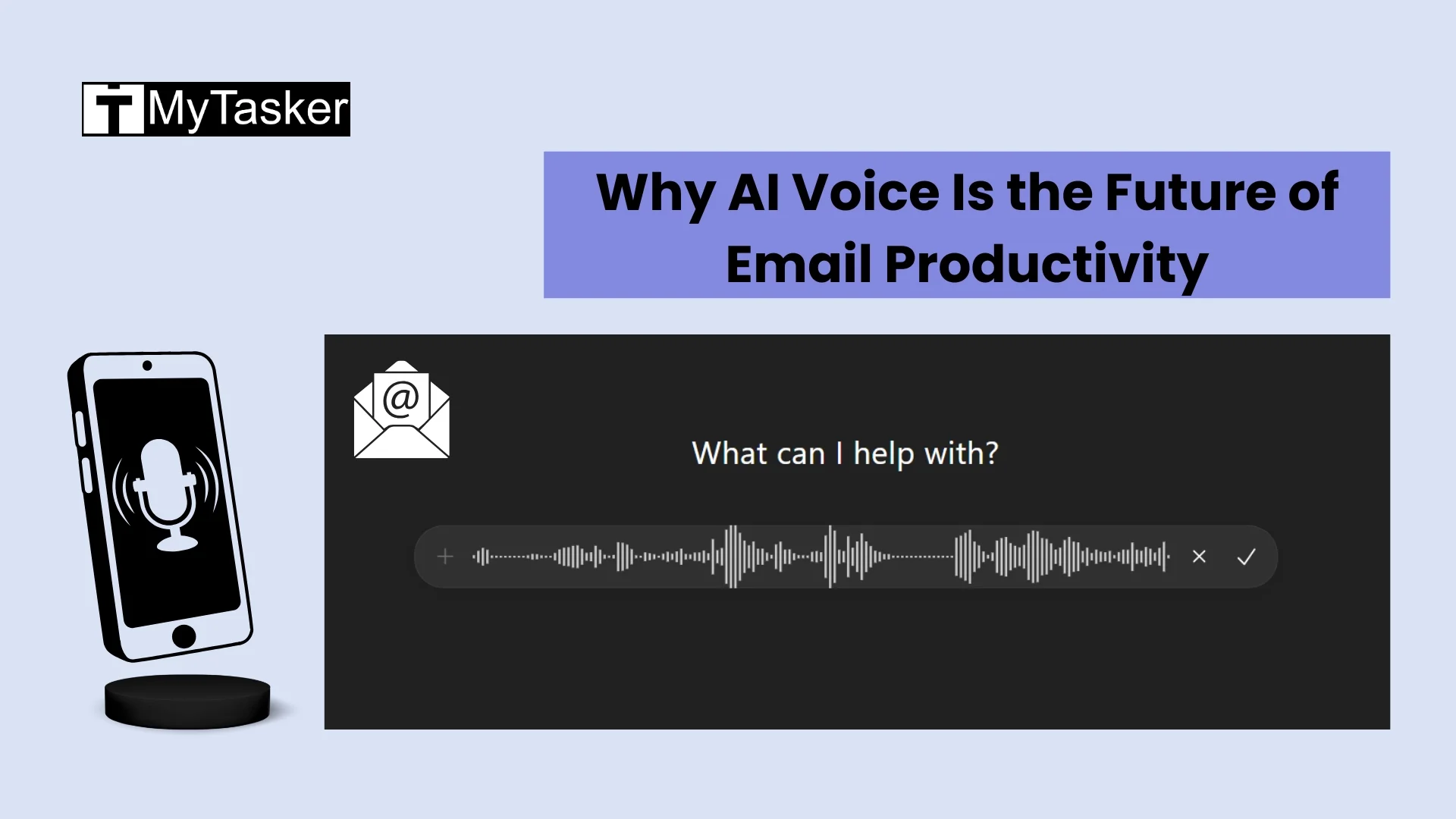
Reading and managing emails is on everyone’s to-do list, yet it’s often the first thing to slip, especially during peak seasons.
When the workload is highest, so are opportunities.
Prospects reach out, deals are warm, and yet replies get delayed because sitting down to type feels like one more task we don’t have the bandwidth for.
This is where AI voice has quietly changed the game.
From Typing Friction to Spoken Flow
Voice-to-text is no longer just basic dictation. Modern AI tools let you speak naturally and turn your raw thoughts into structured, readable emails.
Tools like ChatGPT voice, Grok voice, or dedicated apps such as Voicepal don’t just transcribe: they refine.
How AI chatbots help in email writing
They clean filler words, organise ideas, adjust tone, and turn spoken drafts into emails that sound like you, not a robot.
Browser tools like Voice In or BlabbyAI let you dictate directly inside Gmail or Outlook. Built-in features such as Google Docs Voice Typing, Microsoft Dictate in Outlook, and Gemini voice in Gmail make this accessible even without paid tools. The barrier to starting is almost gone.
Typing isn’t eliminated—but it’s drastically reduced. Instead of staring at a blank screen, you speak once and make light edits. For longer emails or detailed follow-ups, that difference matters.
Speed Still Wins Deals
Whether it’s email or chat, reply turnaround time plays a pivotal role. Prospects often contact multiple vendors simultaneously.
The first clear, thoughtful response frequently wins—not because it’s perfect, but because it’s timely.
Speaking is fast. Most people speak around 150 words per minute, while typing averages 40–60.
That alone can make drafting three to four times faster. When combined with AI cleanup, voice becomes a serious productivity advantage—especially when you’re walking, commuting, or between meetings.
In a 2016 (a decade ago!) study by Stanford University’s Human–Computer Interaction Group, researchers discovered that speech recognition dramatically outperformed typing on mobile devices.
For English, people using voice achieved text entry speeds of about 161 words per minute, compared to just 53–54 words per minute when typing on a smartphone keyboard. For Mandarin Chinese, speech input was 2.8 times faster than typing.
Accuracy improved as well. The study found that speech recognition produced 20.4% fewer errors in English and an impressive 63.4% fewer errors in Mandarin.
These results came from tests comparing Baidu’s Deep Speech 2 system with Apple’s iOS keyboard—showing that even nearly a decade ago, voice technology was already ahead of manual typing.
AI as a Scaffold, Not a Crutch
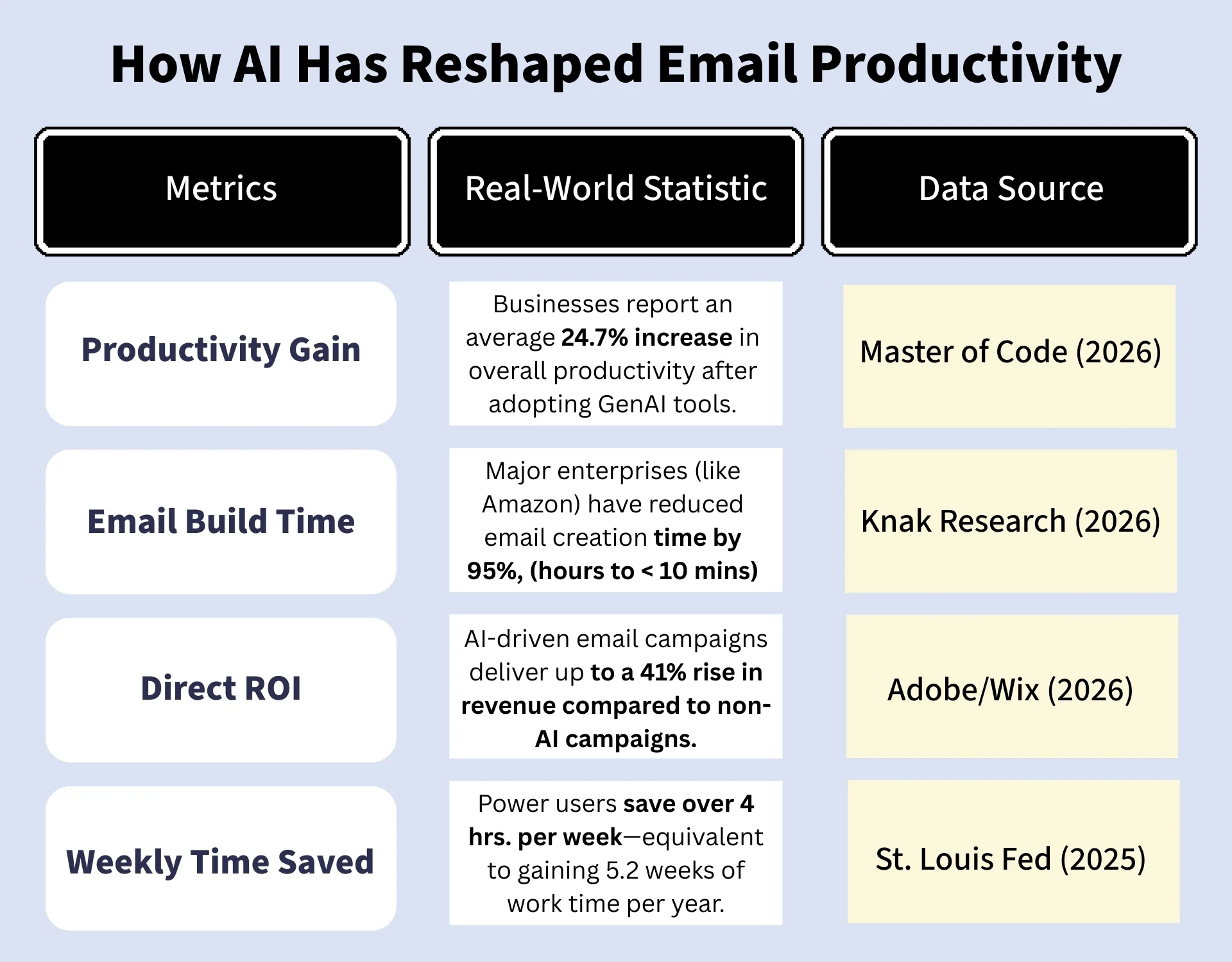
Gmail and Outlook now summarise incoming emails and suggest replies. These shouldn’t be sent blindly—and most professionals know that. But when you’re mentally stretched, they act as scaffolding. Add voice on top of that, and replying no longer feels heavy. You dictate your intent, let AI shape it, and keep momentum.
This is where modern AI shines:
- Voice input + auto-formatting
- Tone adjustment (friendly, professional, concise)
- Style consistency based on past emails
- Quick follow-ups without reopening a laptop
The result isn’t “perfect” communication—it’s human communication that actually gets sent.
Limits (intentional use and double check)
Voice AI isn’t flawless. Accents, background noise, jargon, or privacy concerns are real. You still need to review before sending. Over-automation can also make messages sound too polished and lose warmth if you’re not careful.
But used intentionally, AI voice doesn’t replace thought—it removes friction. It helps you respond when you otherwise wouldn’t.
Many of our clients create new chatbot conversations or dictate rough email drafts using voice. We proofread, double-check, and send them on their behalf. We also manage the entire email writing responsibilities in accordance with established SOPs.
Who Benefits Most
- Founders and sales professionals juggling constant outreach
- Busy operators during peak seasons
- Commuters and on-the-go professionals
- People with typing fatigue or RSI
- Those who express ideas better verbally
The Bigger Shift
Email productivity in 2026 isn’t about writing faster—it’s about staying present. Voice is moving us closer to hands-free, natural communication where your inbox works around your life, not the other way around.
At its core, good email is still human. It requires attention, judgment, and intent. AI voice simply clears the mechanical clutter so those human elements can come through—on time.
Use AI voice not to sound smarter, but to stay responsive, real, and in the conversation. That’s where deals are actually won.